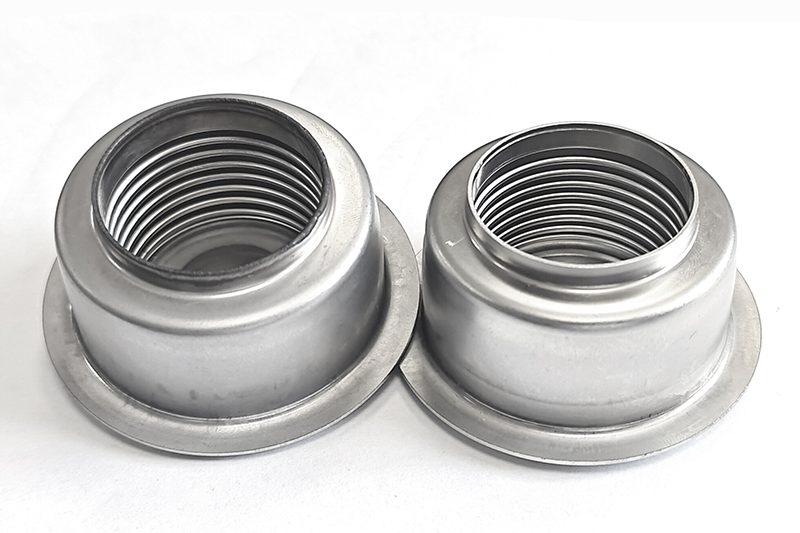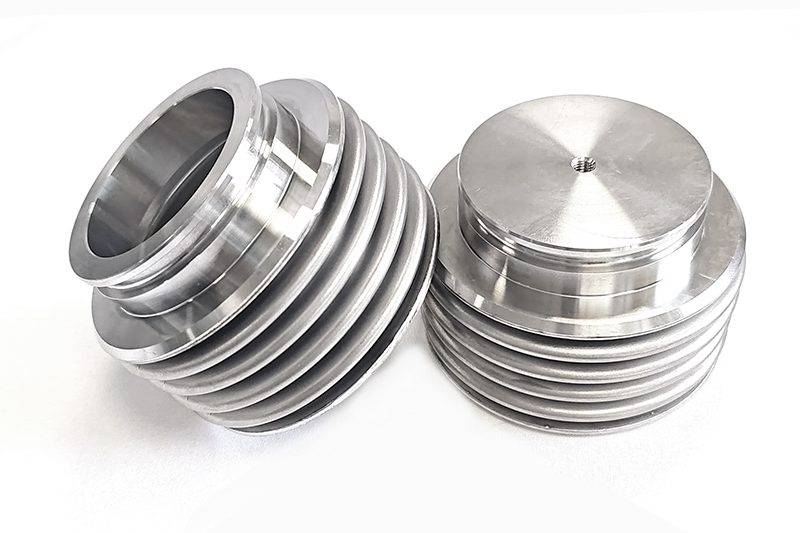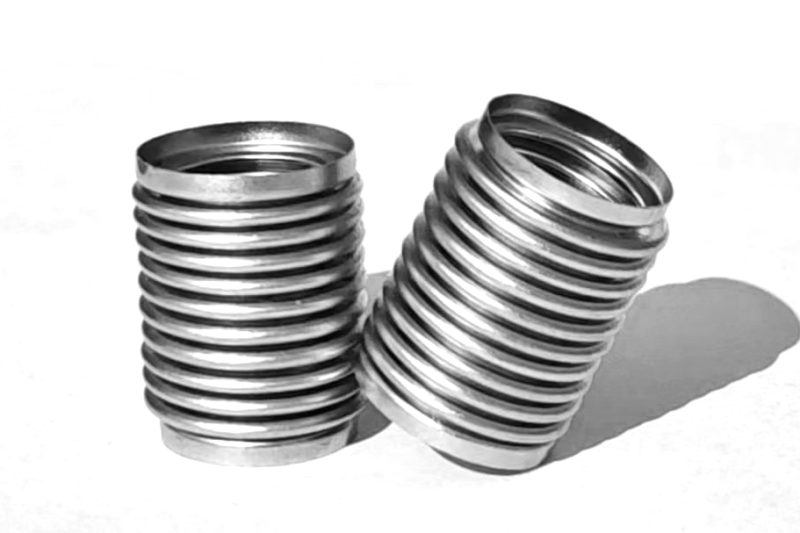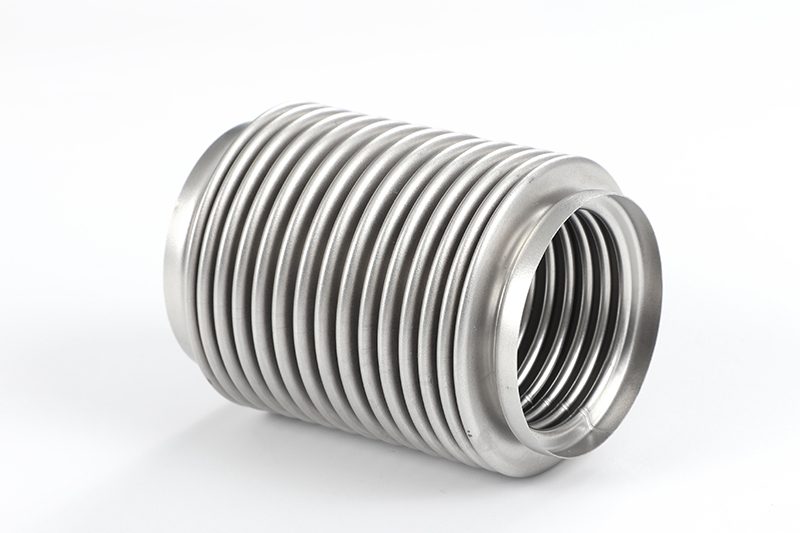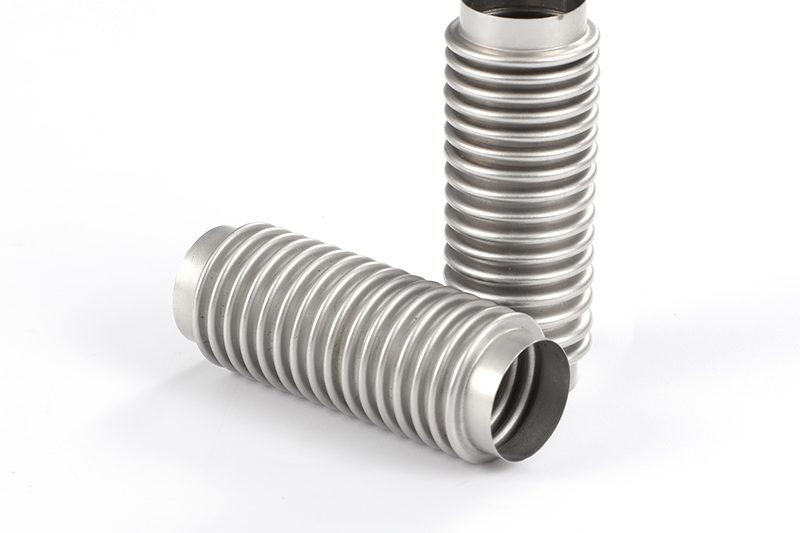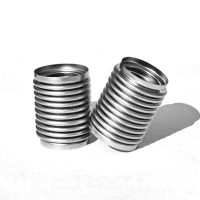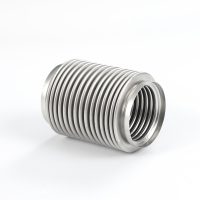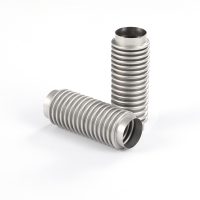
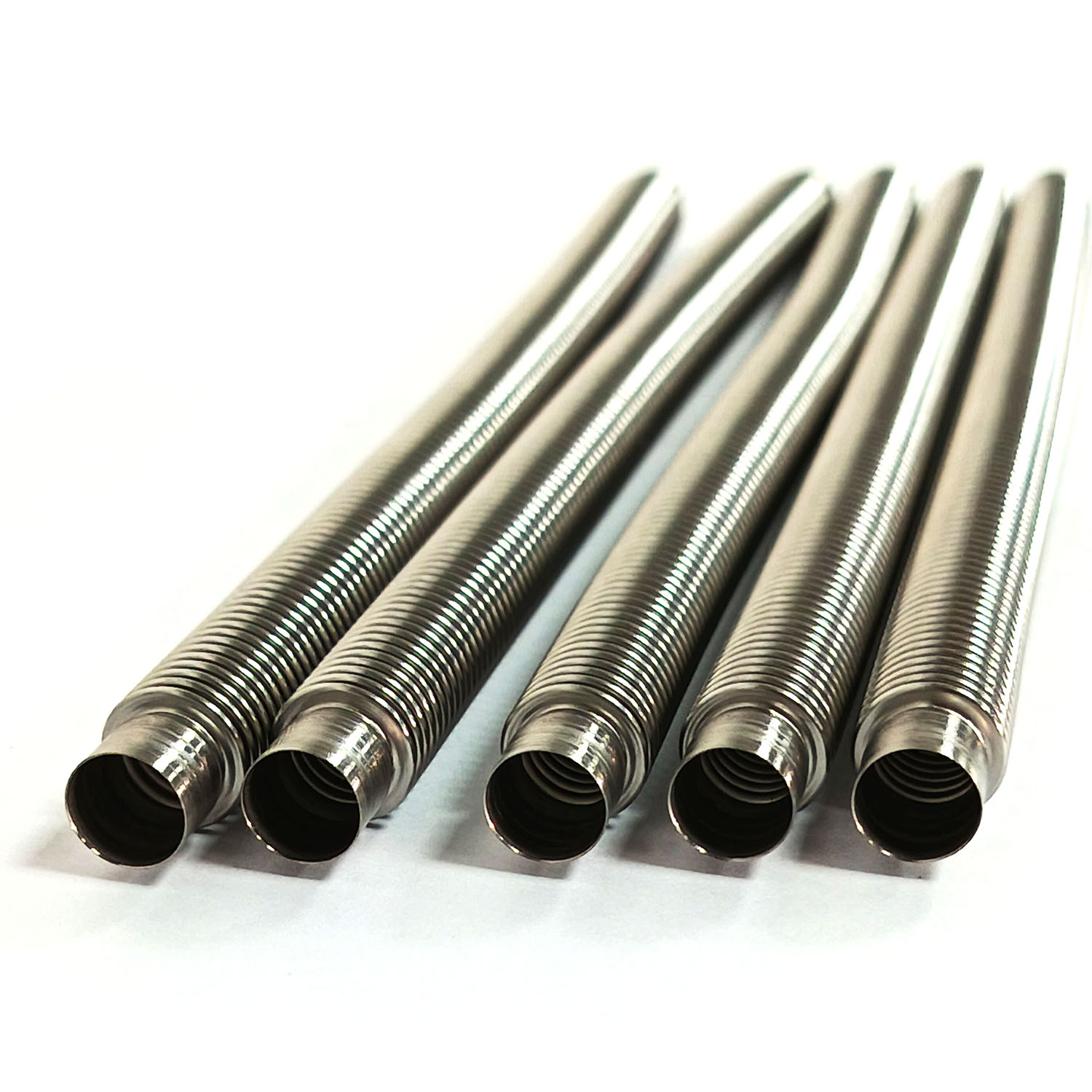
To ensure that bellows (whether in flexible couplings, piping systems, or exhausts) have good sealing performance, several factors should be considered during their design, selection, installation, and maintenance. Below are key points to focus on:
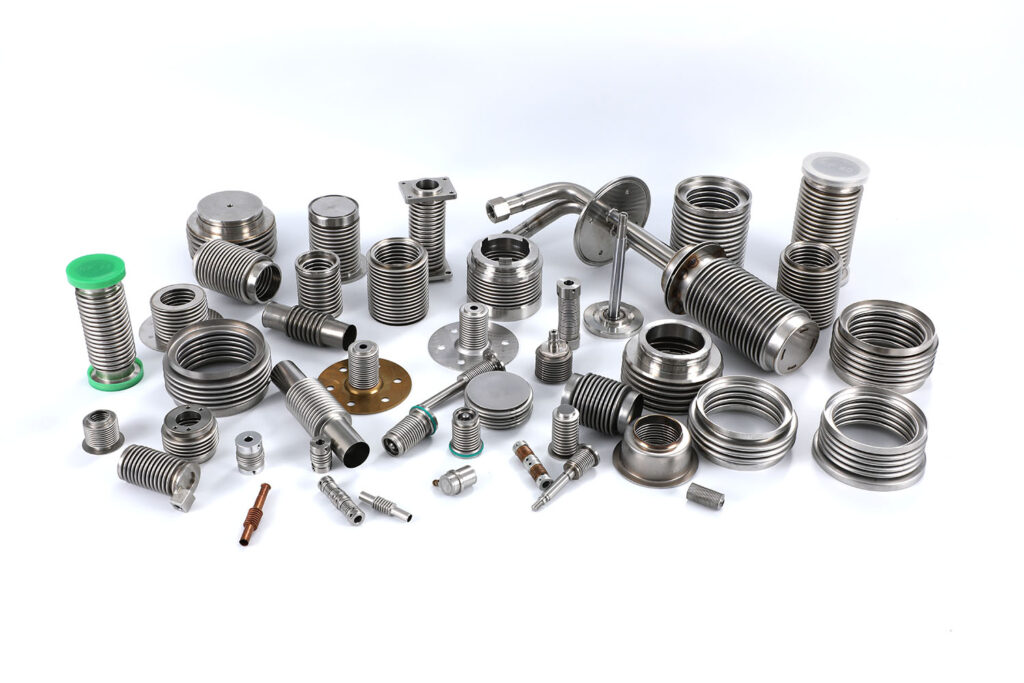
- Material Selection:
Corrosion Resistance: Ensure the material of the bellows is resistant to corrosion from the environment or fluids passing through the system. Stainless steel and other alloys are commonly used in harsh environments.
Temperature Resistance: The material should be chosen based on the temperature range of the application (e.g., metal bellows for high temperatures and rubber or elastomeric bellows for lower temperatures).
Chemical Compatibility: Choose materials that are compatible with the fluids or gases the bellows will be in contact with (e.g., oil, gas, water, chemicals).
- Design Considerations:
Proper Bellow Configuration: The bellows should be designed with the correct number of convolutions or folds to ensure sufficient flexibility while maintaining the sealing function.
Correct Wall Thickness: Bellows should have the right wall thickness to balance between flexibility and strength. Too thin may result in failure under pressure, while too thick may reduce flexibility and performance.
Convolution Shape and Pitch: The shape and pitch (spacing) of the convolutions (folds) are crucial for proper movement and sealing. The design should allow enough flexibility for misalignment compensation but maintain a tight seal.
- Sealing Surface and End Fittings:
Smooth Surface Finish: Ensure that the sealing surfaces, both on the bellows and the mating parts (like flanges or housings), are smooth and clean. Any surface irregularities or contaminants can lead to improper sealing.
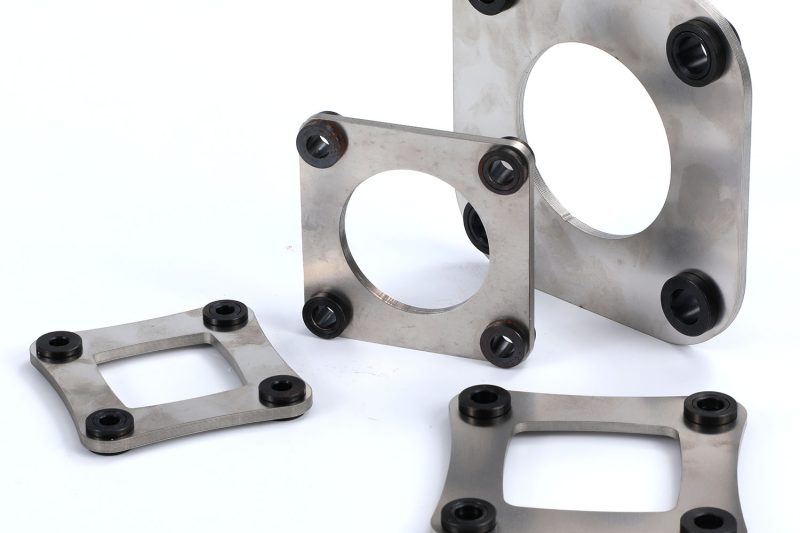
Correct End Fitting Design: Bellows often use flanges, clamps, or welded connections at the ends. These connections should be designed to maintain even pressure distribution and prevent leakage.
Gaskets or Sealing Elements: In some cases, additional sealing elements such as gaskets or O-rings are used at the ends to enhance the sealing ability. Ensure these are made from compatible materials and properly installed.
- Pressure and Vacuum Considerations:
Pressure Ratings: Ensure the bellows can handle the internal pressure of the system without buckling or distorting. The pressure rating of the bellows must exceed the maximum pressure expected in the system.
Vacuum Sealing: If the application involves vacuum conditions, ensure the bellows are specifically designed for vacuum sealing. In some cases, bellows are reinforced to prevent collapse under vacuum.
- Installation Quality:
Correct Alignment: Misalignment during installation can lead to stress on the bellows, causing deformation and potential leaks. Ensure that the bellows are properly aligned with the system components.
Avoid Overextension: Bellows should not be stretched beyond their design limits. Installing bellows in a system where they are overextended can cause deformation and leakages.
Proper Support: Ensure that the bellows are supported appropriately at both ends, especially in high-movement applications. Compression and extension should not exceed the bellows’ rated limits.
- Maintenance:
Regular Inspection: Check the bellows for signs of cracking, wear, or fatigue, particularly in high-stress applications. Perform periodic maintenance checks to ensure the bellows are still performing well.
Cleanliness: Keep the bellows and surrounding components clean to prevent any debris or contaminants from damaging the sealing surfaces.
Replace if Necessary: If there is any sign of damage or wear, replace the bellows promptly to prevent system failure and leaks.
- Testing and Performance Validation:
Leak Testing: Perform pressure testing (such as helium leak testing) to confirm the bellows’ sealing performance under expected operating conditions.
Movement Testing: Ensure that the bellows can handle the expected movement (axial, angular, etc.) without compromising the seal.
- Environmental Factors:
Vibration Dampening: Bellows should not only be designed for sealing but also to handle any vibration or shock loading. Excessive vibration can damage the bellows or compromise the seal.
Temperature Cycles: Ensure that the bellows can handle temperature fluctuations without losing their sealing ability. Bellows may need to be designed with thermal expansion in mind.
- Flexibility:
Bellows should be flexible enough to absorb the movements of the system but still maintain a tight seal. Overly rigid bellows can fail to properly seal under movement or stress.
- Corrosion Protection:
For metal bellows, consider coatings or treatments to prevent corrosion in corrosive environments (e.g., nickel plating, chrome plating, or passivation).