a. Material Selection
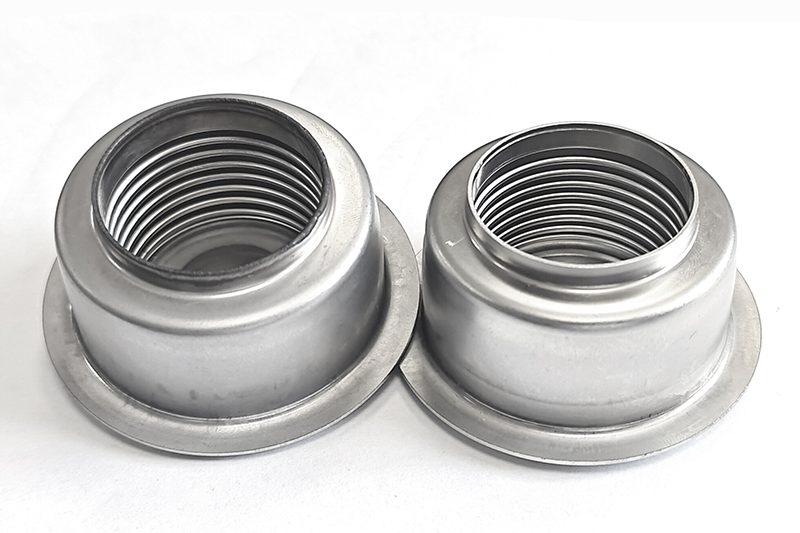
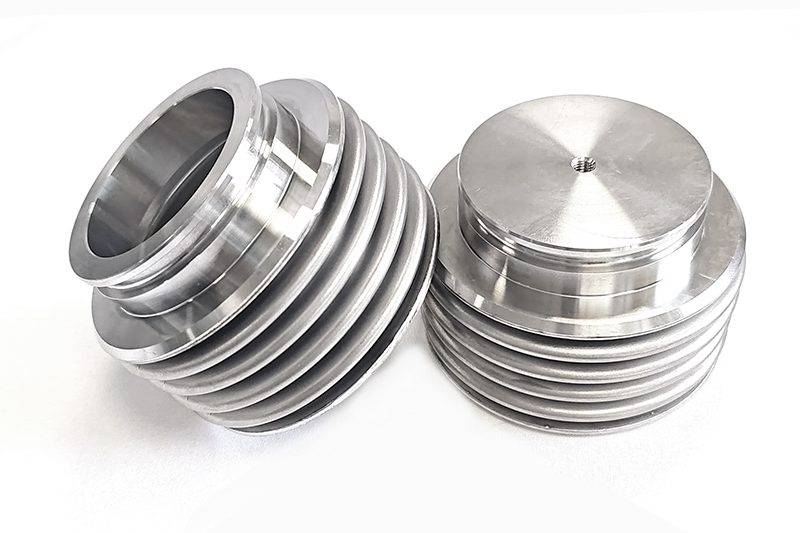
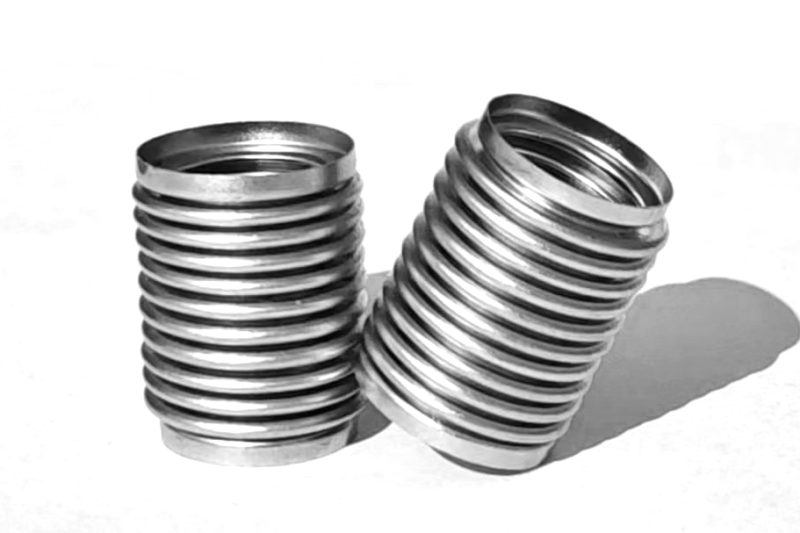
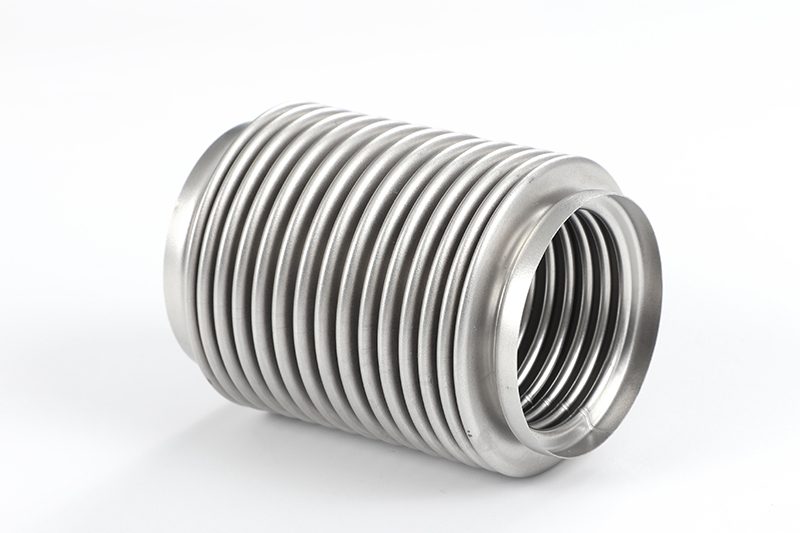
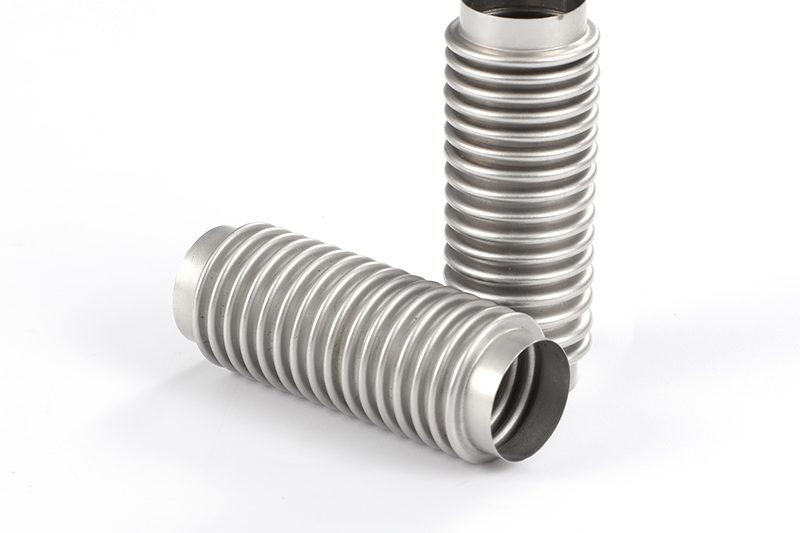
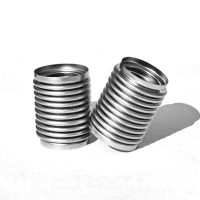
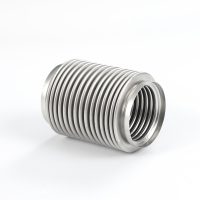
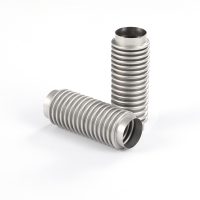
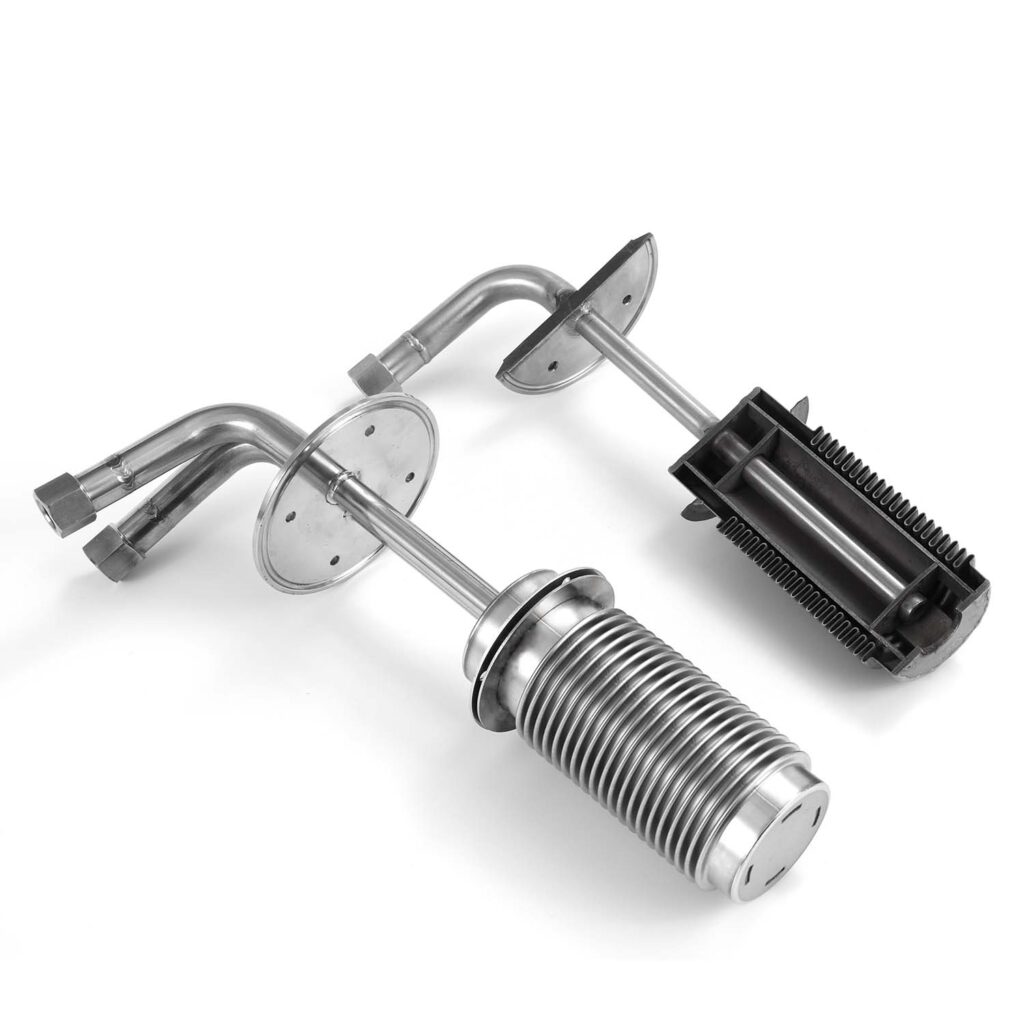
- Metal Bellows: Typically used for high-pressure, high-temperature, or high-cycle applications.
- Stainless Steel (e.g., 304, 316) is common for corrosion resistance.
- Alloy Steels are used for higher strength requirements.
- Nickel Alloys are chosen for extreme temperature applications.
- Rubber Bellows: Used in applications where flexibility and cost-effectiveness are key.
- Common materials include EPDM, Nitrile, Viton, and Neoprene, depending on temperature, chemical exposure, and flexibility requirements.
- Composite Bellows: For lightweight, high-strength applications, composites (like carbon fiber or glass fiber) are sometimes used.
- PTFE Bellows: For highly chemical-resistant environments, PTFE (Teflon) is used.
b. Design Specifications
- Convolution Design: The shape and number of convolutions (the folds or pleats) affect flexibility and pressure resistance. Custom bellows are designed with specific convolution profiles to meet the movement requirements (axial, angular, radial) and to ensure a tight seal.
- Pressure Ratings: Custom bellows are designed to handle specific pressures, both in positive and negative (vacuum) conditions. They need to be reinforced for higher pressures or to withstand sudden pressure surges.
- Temperature Range: Depending on the environment, bellows can be designed for operating temperatures ranging from as low as -50°C to as high as +800°C (or higher for certain materials).
- Length & Diameter: Custom bellows assemblies can be designed to fit exact dimensions, whether for very small diameters (e.g., in aerospace applications) or large industrial systems.
c. End Fittings & Connections
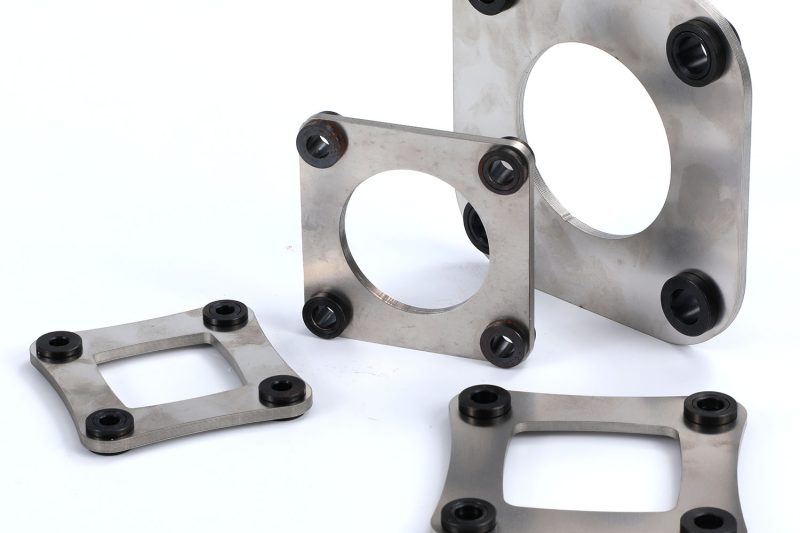
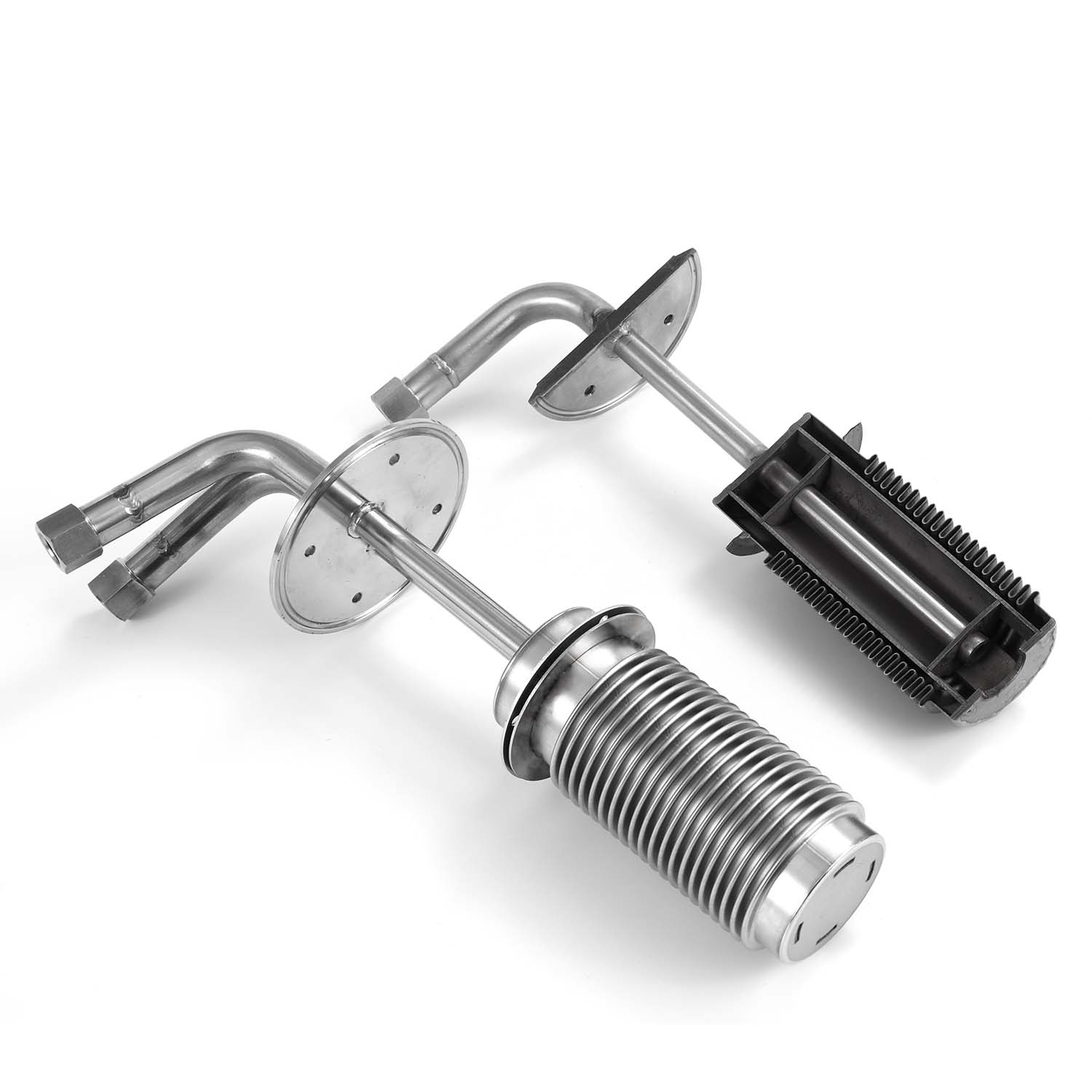
- Custom bellows assemblies often include end fittings or flanges that are welded, bolted, or clamped onto the bellows.
- Welded fittings: Common for high-pressure or high-vibration applications.
- Flanged fittings: Used when easy installation/removal is required, and also in applications where the bellows are under axial movement.
- Clamps and couplings: Provide easier connection and disconnection in low-pressure applications.
- The type of connection will depend on the application’s movement type (axial, angular, rotational), installation space, and fluid sealing needs.
d. Sealing & Leak Prevention
- Double Bellows: In high-pressure applications, a double bellow design may be used to prevent leakage in case of failure in one bellows.
- Internal Seals: Some assemblies use internal seals (e.g., O-rings) to prevent leakage at the connections between the bellows and its surrounding parts.