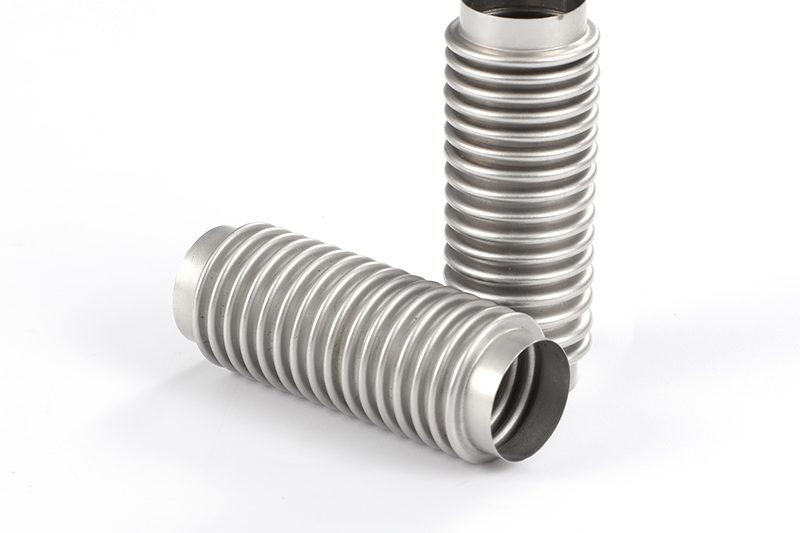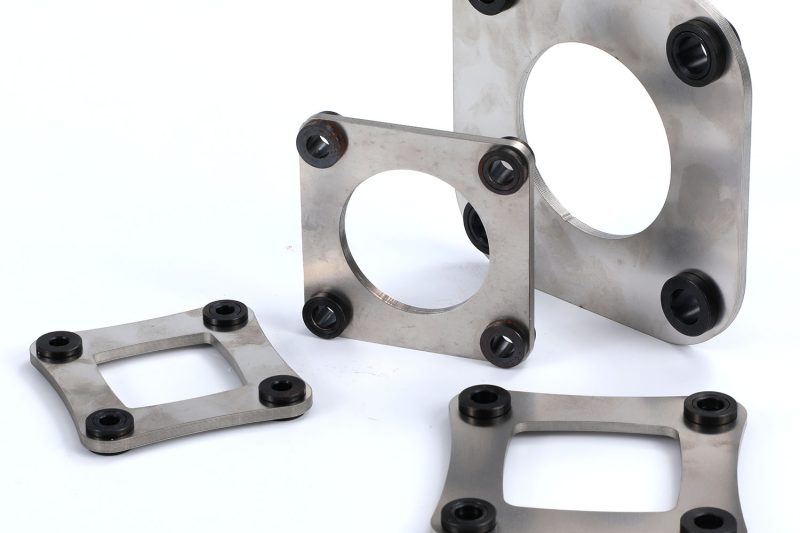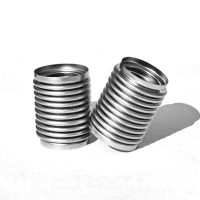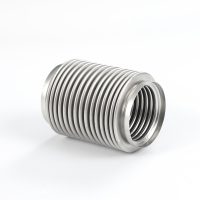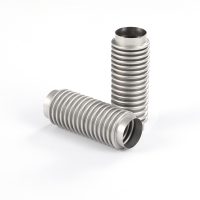
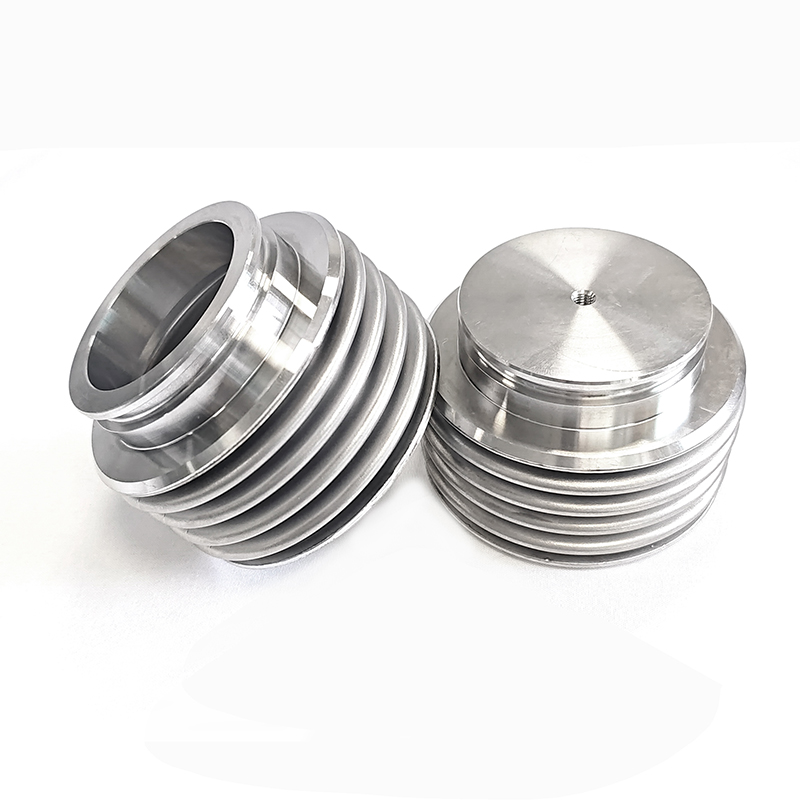
The core job of an edge-welded valve bellows is to create an absolute leak-tight seal between the moving stem of the valve and the external environment (or atmosphere). It acts as a flexible, hermetic barrier that moves with the valve stem.
1. Containment of Hazardous or Valuable Media
- Prevents Fugitive Emissions: This is the most critical function, especially in industries like oil & gas, petrochemical, refining, and pharmaceuticals. It stops toxic, flammable, explosive, or environmentally harmful process fluids from escaping along the valve stem.
- Maintains Purity: For processes involving ultra-pure or sterile media (e.g., in semiconductor manufacturing, food & beverage, biotechnology), it prevents external contamination from entering the system and product contamination from escaping.
2. Protection of the Valve Internals and Environment
- Shields Stem Threads and Packing: In a standard valve, the stem threads and packing are exposed to the process media, which can cause corrosion, erosion, or clogging. The bellows isolates these components, significantly extending valve life and reducing maintenance.
- Prevents External Ingress: It stops dirt, dust, moisture, and other atmospheric contaminants from entering the valve body, which is crucial for corrosive environments or sensitive processes.
3. Enabling Operation in Extreme or Sensitive Conditions
- For High Vacuum Systems: Essential for maintaining vacuum integrity by eliminating any leakage path along the stem.
- For High-Temperature/Cryogenic Services: Provides a reliable seal where traditional stem packing (like graphite) might degrade, freeze, or fail.
- For High-Pressure Applications: Acts as a robust, pressure-containing element.
4. Safety and Environmental Compliance
- Directly helps facilities comply with stringent international environmental regulations (like EPA Leak Detection and Repair – LDAR – standards, TA Luft, etc.) by achieving near-zero emissions.
- Reduces workplace hazards for operators by containing dangerous fluids.
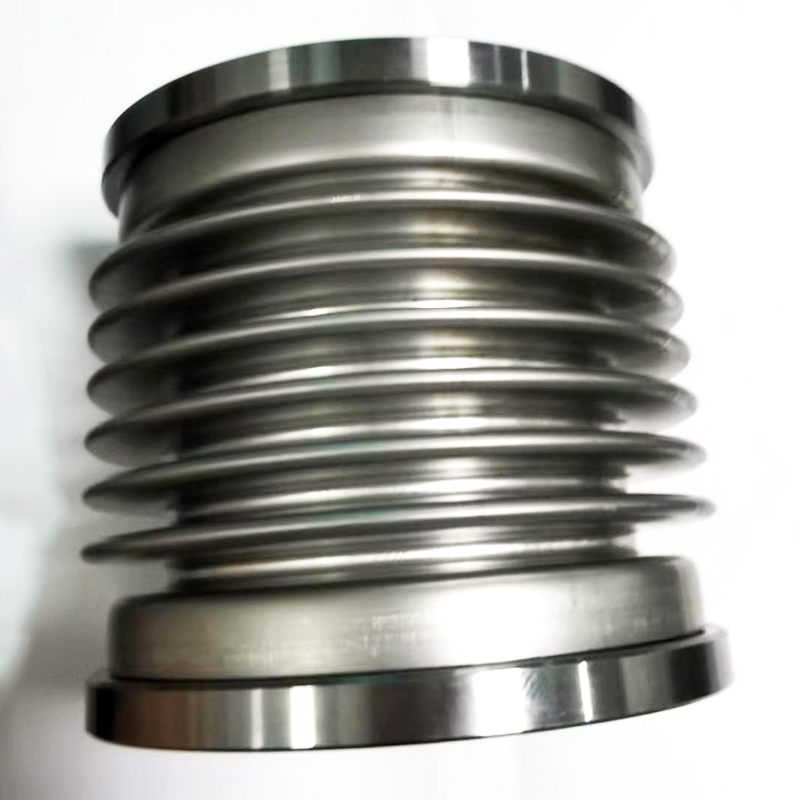
Why “Edge-Welded”? The Design Advantage
The “edge-welded” construction is what makes it suitable for these demanding functions:
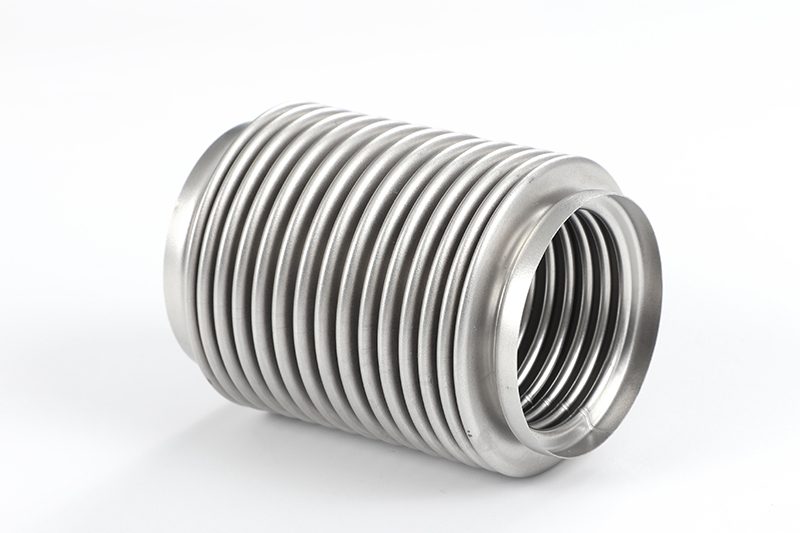
- Construction: Thin metal discs (typically of stainless steel, Hastelloy, Inconel, or titanium) are welded together alternately at their inner and outer edges (like a stack of diaphragms). This forms a series of concentric convolutions.
- Advantages over Other Bellows Types (like Formed Bellows):
- High Pressure Rating: Can withstand significantly higher pressures.
- Long Stroke Life: Offers a superior number of reliable cycles (open/close movements).
- Compact Stack Height: More convolutions in a smaller space, allowing for longer stroke in a compact valve design.
- Precision and Consistency: Manufactured to very tight tolerances for predictable performance.