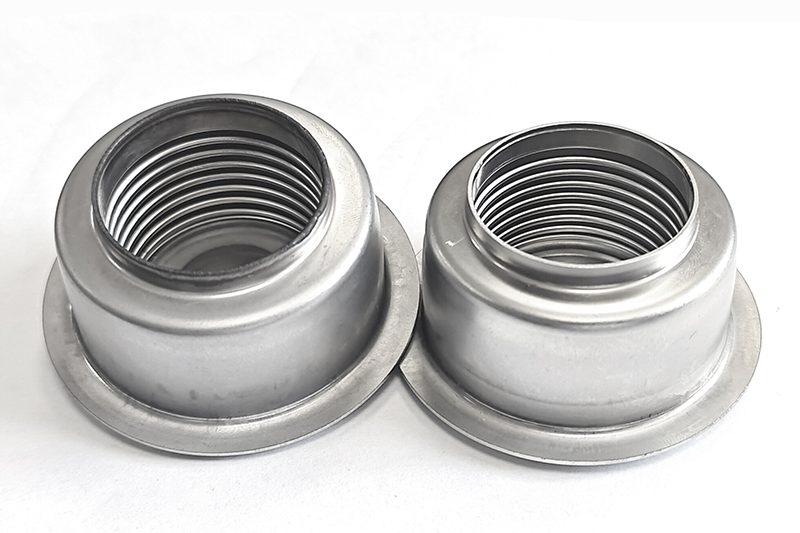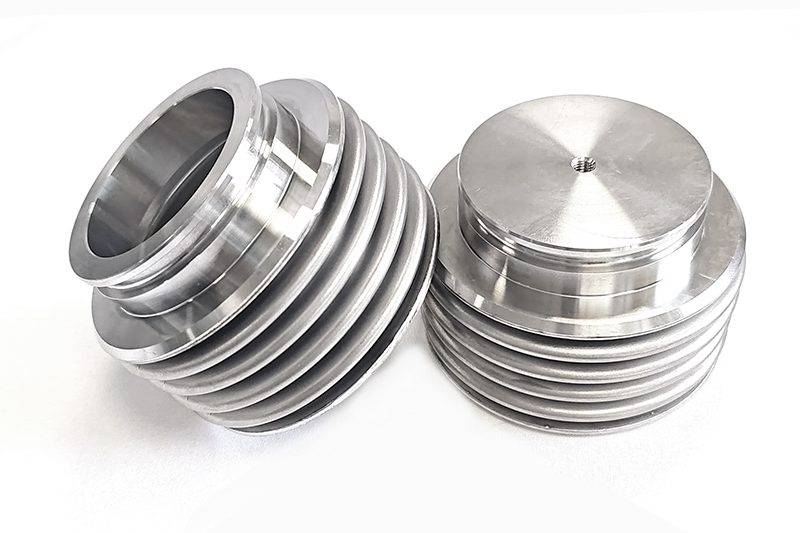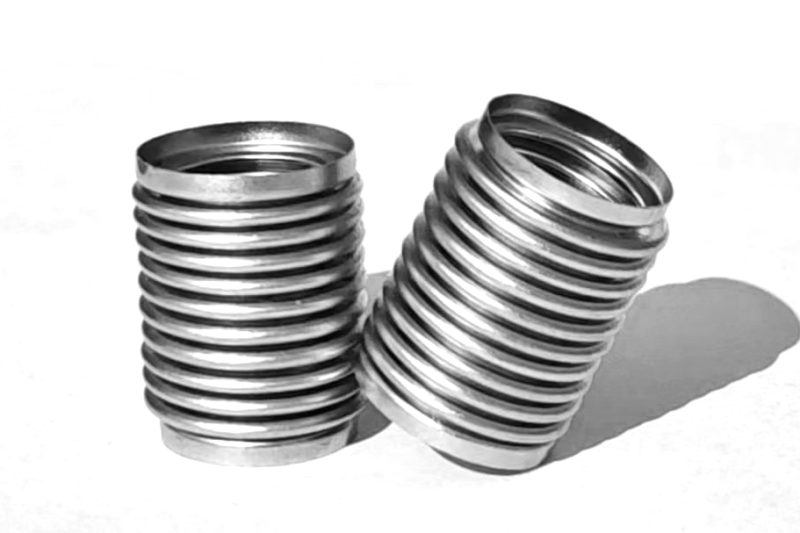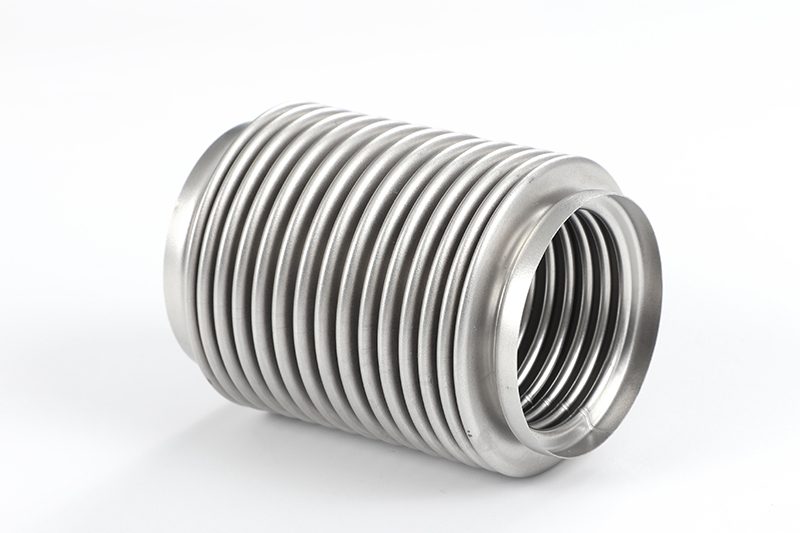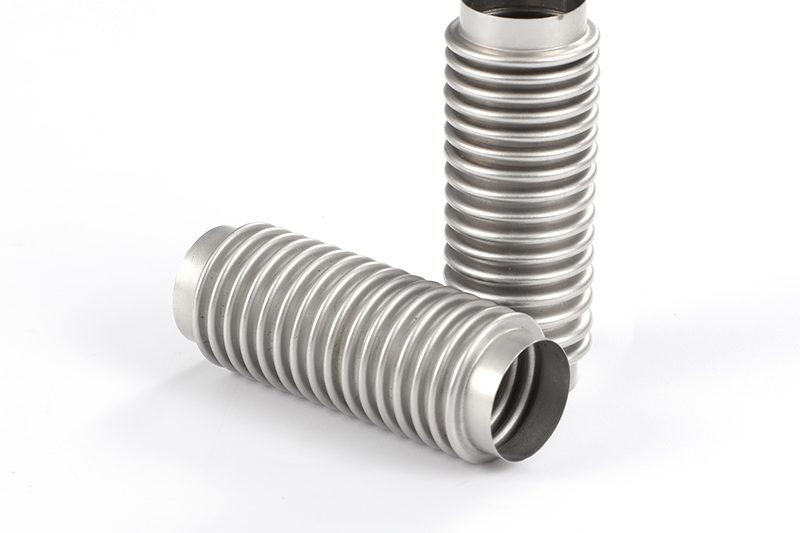
Flexible bellows are a critical component in piping systems, designed to provide flexibility, control stress, and prevent damage due to thermal expansion, vibration, pressure surges, and misalignment. Let’s dive deeper into how they work in a piping system.
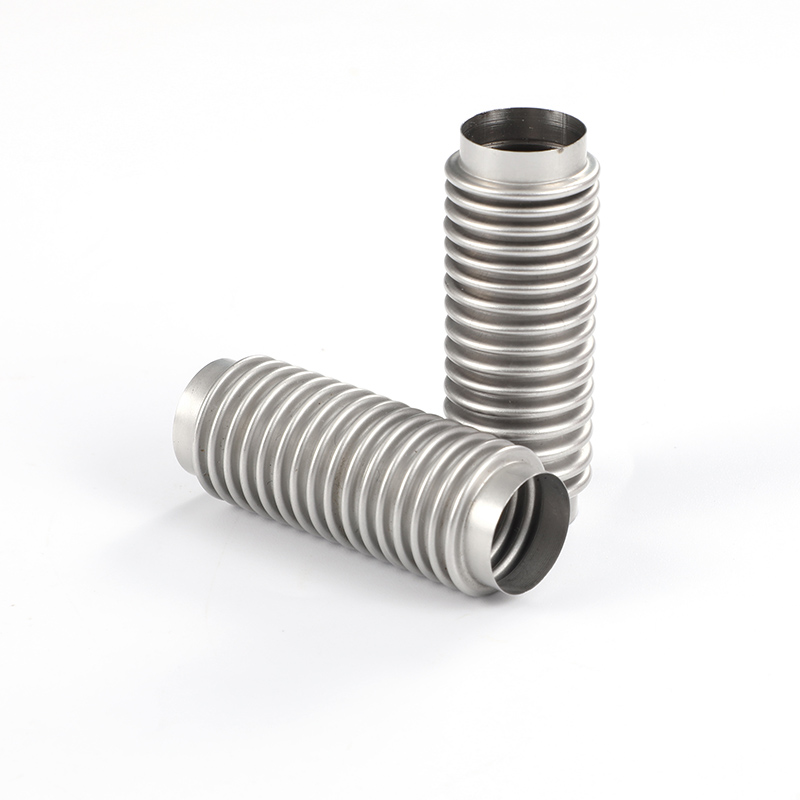
1. How Flexible Bellows Work:
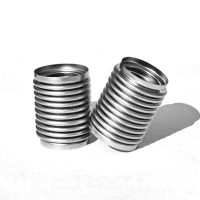
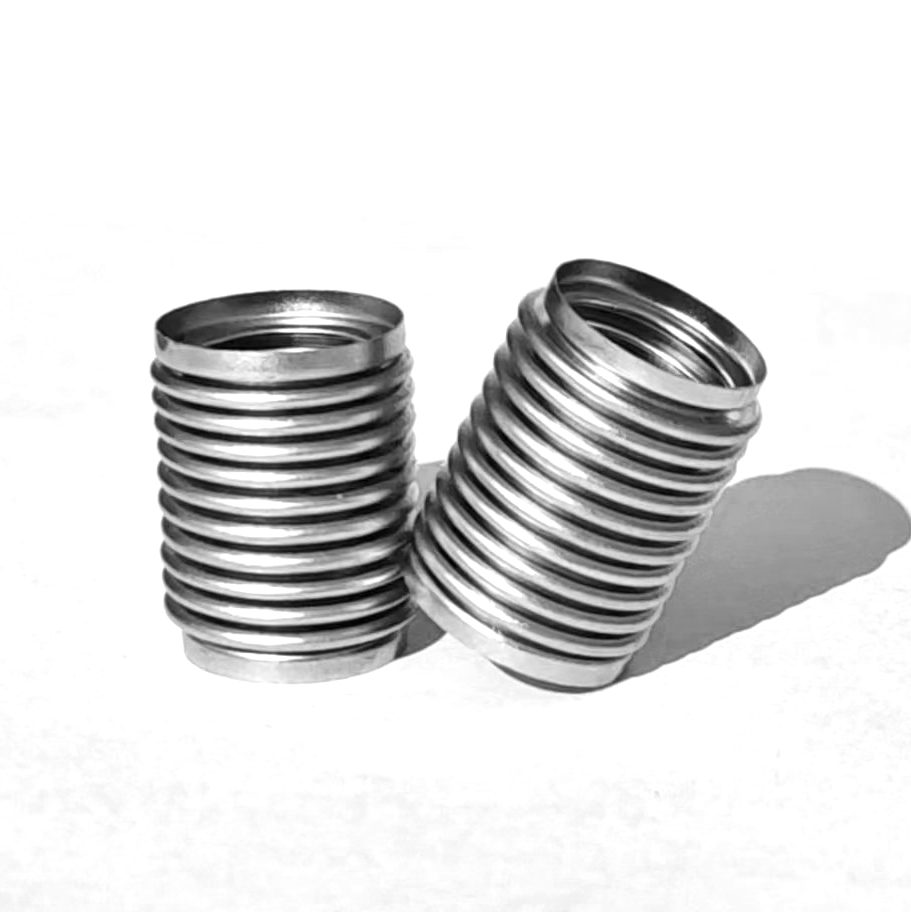
At their core, flexible bellows are an accordion-like, corrugated structure made of metal, rubber, or composite materials. The design of these bellows allows them to expand, contract, and absorb movement, which helps maintain the integrity of the pipe system.
Here’s a closer look at how they function:
Thermal Expansion and Contraction Compensation:
- What’s happening: Pipes, when heated, naturally expand. When cooled, they contract. Without any flexibility in the system, this constant movement can create stress at the joints or even lead to failure.
- How bellows help: The bellows absorb this expansion and contraction, allowing for smooth and controlled movement. The corrugations in the bellows stretch or compress to accommodate temperature changes, reducing the chance of pipe damage or leakage.
Vibration Absorption:
- What’s happening: Vibration can be caused by the flow of fluid, pumps, compressors, or external forces. These vibrations can transfer stress through the piping system, damaging joints, connections, or even the entire infrastructure over time.
- How bellows help: The flexibility of the bellows helps to absorb and dampen these vibrations, minimizing the impact on the rest of the system. This can extend the lifespan of other components and reduce noise caused by the vibration.
Misalignment Adjustment:
- What’s happening: During installation or as pipes settle over time, there may be slight shifts in alignment. This misalignment can lead to stress at pipe joints, causing leaks or even failure.
- How bellows help: The bellows can compensate for small misalignments by allowing some degree of movement. This flexibility prevents stresses from building up and ensures the system operates smoothly.
Pressure Surge Damping (Water Hammer Protection):
- What’s happening: A phenomenon called water hammer occurs when a valve in a pipe system closes suddenly, creating a pressure surge or shockwave that can damage pipes, valves, and joints.
- How bellows help: Flexible bellows can dampen or absorb the shockwave caused by water hammer, reducing the risk of damage to the system.
Allowing for Differential Movement:
- What’s happening: Sometimes, different sections of a pipe may experience varying levels of movement due to pressure differences, flow rates, or environmental factors.
- How bellows help: Flexible bellows accommodate the differential movement between two pipe sections, preventing undue stress on the system and allowing for smoother operation.
2. Applications in a Piping System:
Flexible bellows are used in a variety of industries and piping applications. Here are some typical scenarios where they play a vital role:
Steam & Power Generation Plants:
- In high-pressure steam systems, pipes expand and contract significantly due to temperature fluctuations. Flexible bellows prevent these movements from damaging the system.
Oil & Gas Industry:
- In offshore or remote pipelines, ground movement and pressure variations are common. Flexible bellows are used to accommodate these dynamic conditions and prevent pipeline failure.
HVAC Systems:
- Flexible bellows help control thermal expansion in HVAC pipes and ducts, making them more resilient to pressure surges and temperature changes.
Chemical Processing Plants:
- Chemicals can be corrosive, and pipes often operate at very high or low temperatures. Bellows prevent damage from thermal stress and vibration in such extreme conditions.
Water Treatment & Wastewater Systems:
- In water distribution systems, flexible bellows are used to absorb movement caused by water hammer and protect pipelines from sudden changes in pressure.
3. Design and Materials of Flexible Bellows:
Flexible bellows can be made from a variety of materials depending on the specific requirements of the application:
Materials:
- Metal Bellows:
- Often made from stainless steel or alloy metals for durability and resistance to high temperatures and pressure. Metal bellows are commonly used in applications like power plants, chemical industries, and petrochemical refineries.
- Rubber Bellows:
- Made from materials like EPDM, neoprene, or silicone, rubber bellows are more flexible and are used in systems where vibration isolation and flexibility are the main concerns, like in HVAC systems or low-pressure applications.
- Composite Bellows:
- Sometimes, bellows made from advanced composites (e.g., carbon fiber-reinforced polymer) are used for lightweight and highly resistant systems.
Design Variations:
- Axial Movement: Bellows that expand and compress along the axis of the pipe, often used to accommodate linear thermal expansion.
- Lateral or Angular Movement: Bellows that allow for lateral deflection or angular movement in pipes that may shift sideways or bend.
- Torsional Movement: Some bellows are designed to accommodate twisting or rotational movement in pipes, which can occur under pressure or due to flow dynamics.
4. Advantages of Flexible Bellows in Piping Systems:
- Protection Against Fatigue: They reduce stress on the piping system, minimizing the chances of crack formation due to repeated expansion and contraction cycles.
- Enhanced Durability: By absorbing and distributing stresses from vibration, temperature changes, and pressure variations, bellows can extend the lifespan of the pipe and its connections.
- Reduction in Maintenance Costs: Flexible bellows help prevent leaks and system failures, reducing downtime and costly repairs.
- Improved Safety: In critical systems, like steam or gas lines, bellows help ensure that any sudden movements or thermal expansions don’t lead to catastrophic failures or safety hazards.
Conclusion:
In summary, flexible bellows are like the shock absorbers of a piping system, allowing the pipes to flex and move without suffering from the stresses caused by thermal expansion, vibration, pressure fluctuations, or misalignment. They help ensure smooth operation, protect the integrity of the system, and extend the lifespan of both the piping infrastructure and the equipment connected to it.