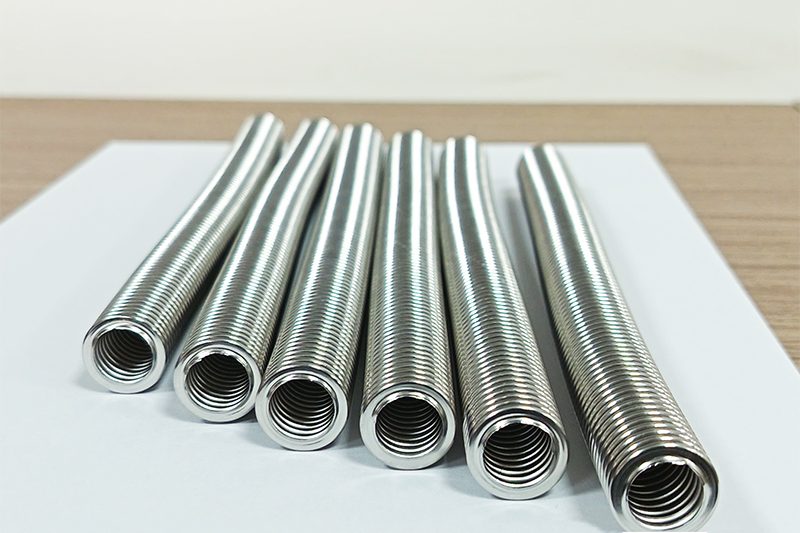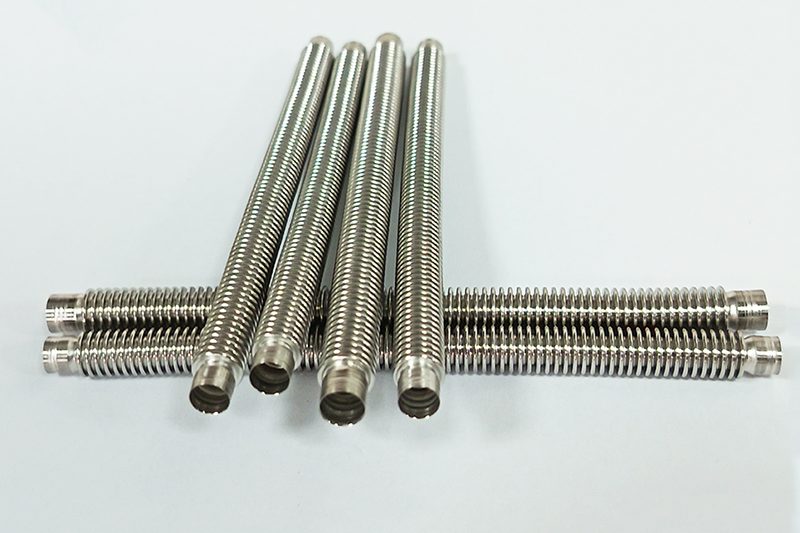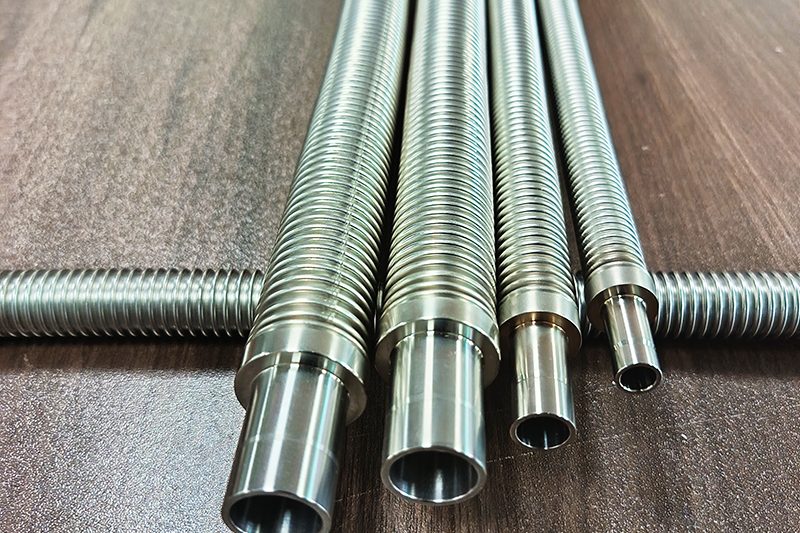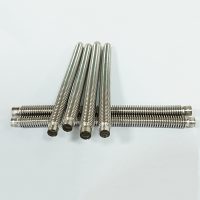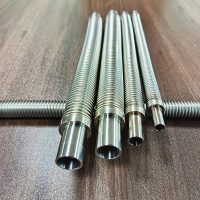
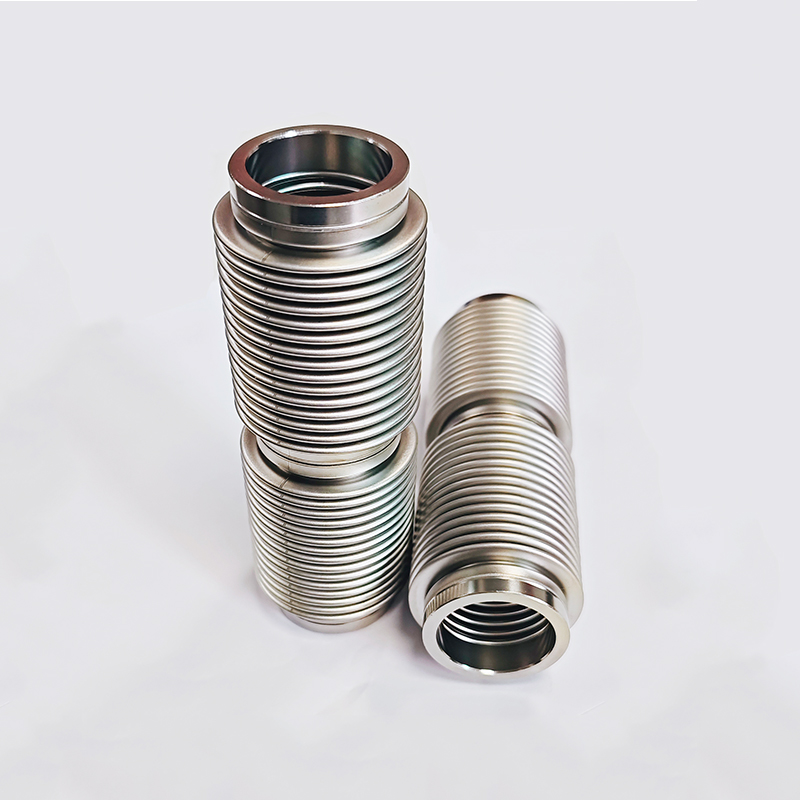
Exhaust bellows and flex pipes both serve similar functions in an exhaust system—they allow for flexibility and accommodate movement due to vibration, thermal expansion, and misalignment—but there are some key differences in their design and performance. Here’s a breakdown of how they compare and what advantages exhaust bellows offer over flex pipes:
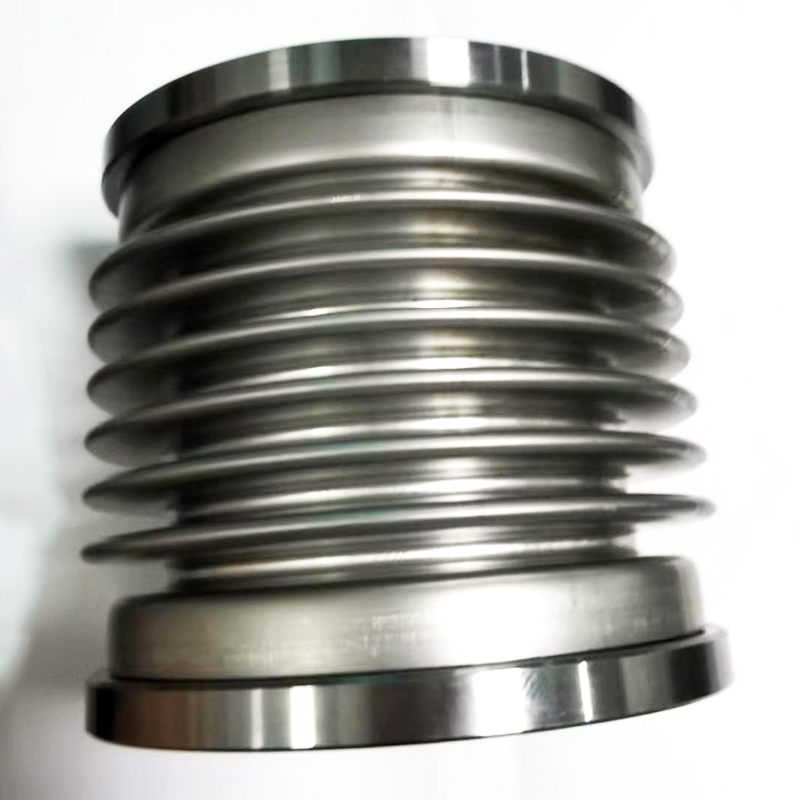
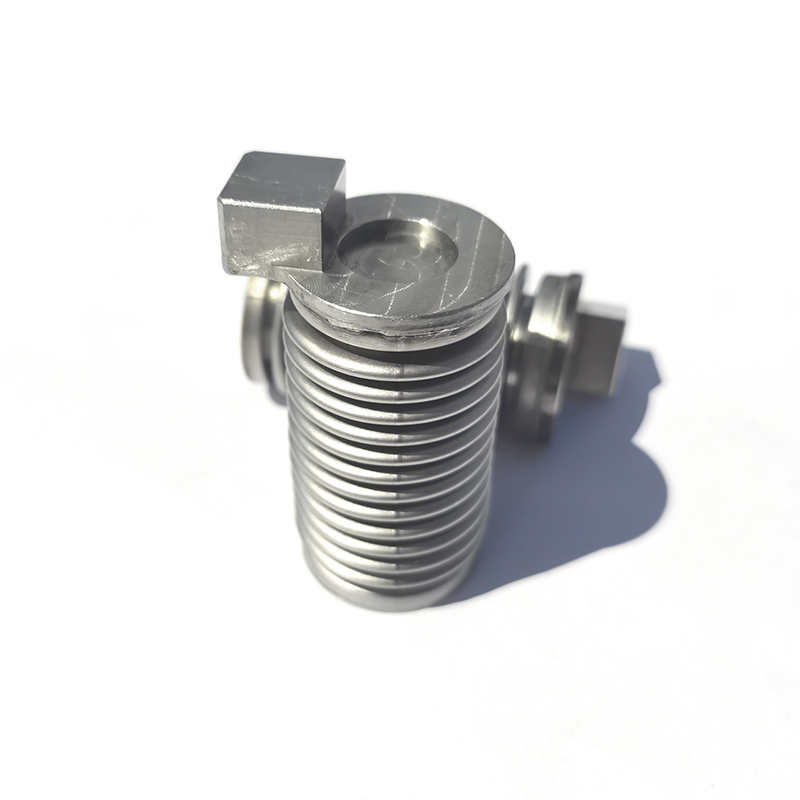
1. Construction and Design:
- Exhaust Bellows: These are typically made from stainless steel and feature a corrugated, accordion-like design. The flexible metal structure allows them to absorb a lot of movement and strain. They’re designed to handle high pressures and temperatures, which is why they’re often used in more demanding applications.
- Flex Pipes: These are often made from stainless steel mesh with an inner liner, sometimes incorporating a rubber layer. Flex pipes tend to be simpler, usually used in less demanding systems like aftermarket exhausts or for reducing vibration in passenger vehicles.
2. Durability and Strength:
- Exhaust Bellows: The metallic, corrugated design of exhaust bellows gives them a higher strength, enabling them to withstand higher levels of stress, temperature, and pressure. They are especially suited for heavy-duty applications such as industrial machinery, high-performance engines, and turbocharged vehicles.
- Flex Pipes: While flex pipes are effective, they aren’t always as durable or able to handle the same extreme conditions as exhaust bellows. They tend to be more susceptible to damage from heat, corrosion, or heavy use over time, particularly in high-performance or racing environments.
3. Performance and Functionality:
- Exhaust Bellows: Due to their flexible design, exhaust bellows are highly effective in absorbing vibrations, reducing stress on exhaust components, and accommodating thermal expansion in systems where constant heating and cooling occur. They also excel at maintaining the integrity of exhaust systems under high-stress conditions (like in heavy-duty trucks or performance vehicles).
- Flex Pipes: Flex pipes can perform similar functions, but their flexibility might not be as high as that of bellows in more extreme conditions. Flex pipes are generally good for light to moderate movement and vibration dampening in consumer vehicles but may not offer the same level of protection for highly stressed systems.
4. Cost and Installation:
- Exhaust Bellows: They can be more expensive due to the specialized materials and manufacturing process required for the corrugated design. Installation may also be more complex in some cases, especially in highly technical or custom applications.
- Flex Pipes: Flex pipes are usually more cost-effective and easier to install. They are often used in aftermarket exhaust systems and are more widely available, making them a good option for less demanding applications or quick fixes.
5. Applications:
- Exhaust Bellows: These are preferred in heavy-duty, high-performance, or industrial applications where reliability and long-lasting performance under harsh conditions are critical. They are commonly found in high-performance engines, turbochargers, commercial vehicles, and industrial exhaust systems.
- Flex Pipes: They are more commonly used in passenger vehicles, aftermarket exhaust modifications, and light-duty applications where the stresses on the exhaust system are lower.
Advantages of Exhaust Bellows Over Flex Pipes:
- Better Vibration Absorption: Due to the corrugated design, exhaust bellows can absorb more significant vibrations and stresses than flex pipes, making them better suited for high-performance or industrial vehicles.
- Superior Durability: The metallic construction and accordion design of exhaust bellows make them more durable and resistant to corrosion, fatigue, and thermal expansion. This makes them a better option for systems exposed to extreme heat or pressure.
- Higher Pressure and Temperature Resistance: Exhaust bellows are designed to handle extreme temperatures and high pressures, especially in turbocharged engines or heavy machinery, providing better long-term performance.
- Longer Lifespan: While flex pipes can wear out over time, especially in high-stress situations, exhaust bellows tend to have a longer service life due to their superior strength and ability to handle demanding conditions.
Conclusion:
Exhaust bellows are typically a better choice for applications where high durability, vibration absorption, and resistance to extreme conditions are needed—such as in high-performance engines, industrial machinery, or commercial vehicles. They provide superior long-term reliability in harsh environments.
On the other hand, flex pipes are more cost-effective and easier to install, making them suitable for everyday passenger vehicles or light-duty applications where extreme durability and strength are not as crucial.