I. Global & China Market Size (2024–2031)
Global Flexible Metal Bellows
2024 Global Market: Approximately $709 million (QYR)
2025 Forecast: Approximately $740–780 million
2031 Forecast: Exceeding $1 billion
CAGR (2025–2031): 5.1%
China Market (Including Metal + Certain Engineering Plastic Flexible Bellows)
2024 China: Approx. RMB 13–15 billion
2025 Forecast: RMB 18–20 billion
CAGR: 10%+ (Higher than the global average)
China’s Share of Global Market: 45%–50% (World’s Largest Producer and Consumer)
II. Key Growth Drivers
New Energy Vehicles / New Energy Vehicle Supply Chain (Strongest Driver)
Battery thermal management, electric drive vibration damping, exhaust / cooling systems
Demand for lightweight, high-temperature resistance, long service life, and high flexibility
Accounts for approximately 35%–45% (Largest Application in the Industry)
Oil & Gas, Chemicals, LNG, Clean Energy (High-Pressure / High-Temperature)
Pipeline thermal expansion compensation, vibration isolation, corrosion-resistant sealing
China’s oil and gas pipelines: 40,000 km of new capacity by 2025–2030
Annual growth rate: 10%+
Semiconductors, Medical, Aerospace (Precision High-End)
Micro / Ultra-thin / High-vacuum / Special alloys (316L, Inconel, Titanium)
Small-diameter (e.g., your product D11.5) precision bellows: CAGR 8%–12%
Industrial automation, PV/wind power, rail transit
Equipment displacement compensation, wiring harness protection, weather resistance and fatigue resistance
Emerging sectors now account for 15%
III. Key Trends (2025–2030)
1. High-end, Precision, and Miniaturization of Products
Surge in demand for small-diameter, thin-walled, high-convolution (e.g., 10–12 convolutions) products
Precision equipment, medical, and semiconductor sectors prefer D6–D20mm micro-corrugated tubes
Material upgrades: 316L → Hastelloy / Titanium Alloys / Superalloys (withstand 600–800°C)
2. Lightweight, Long Service Life, and Low Fatigue
New energy sector targets 30%+ weight reduction and fatigue life ≥ 1 million cycles
Integrated molding, weld-free construction, and uniform stress design
3. Custom-Engineered Solutions Become Mainstream
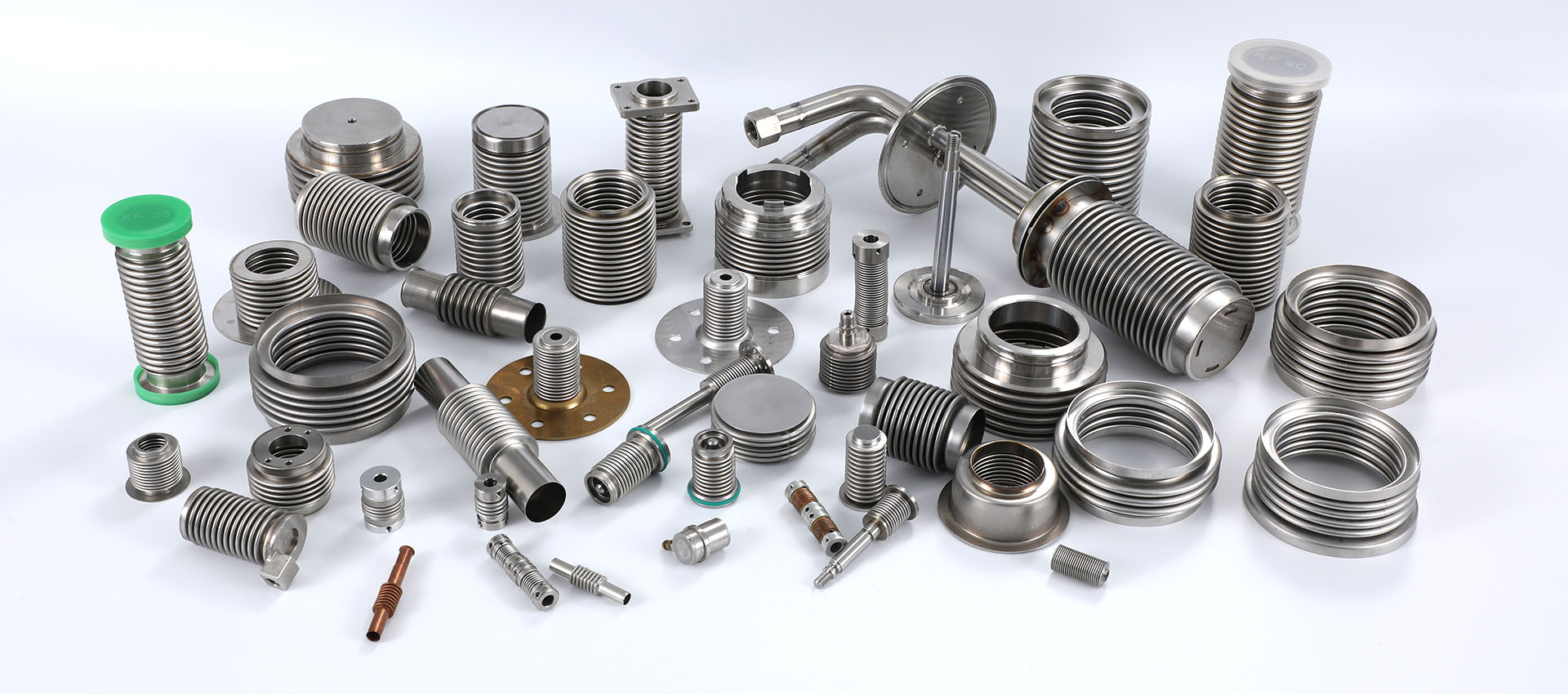
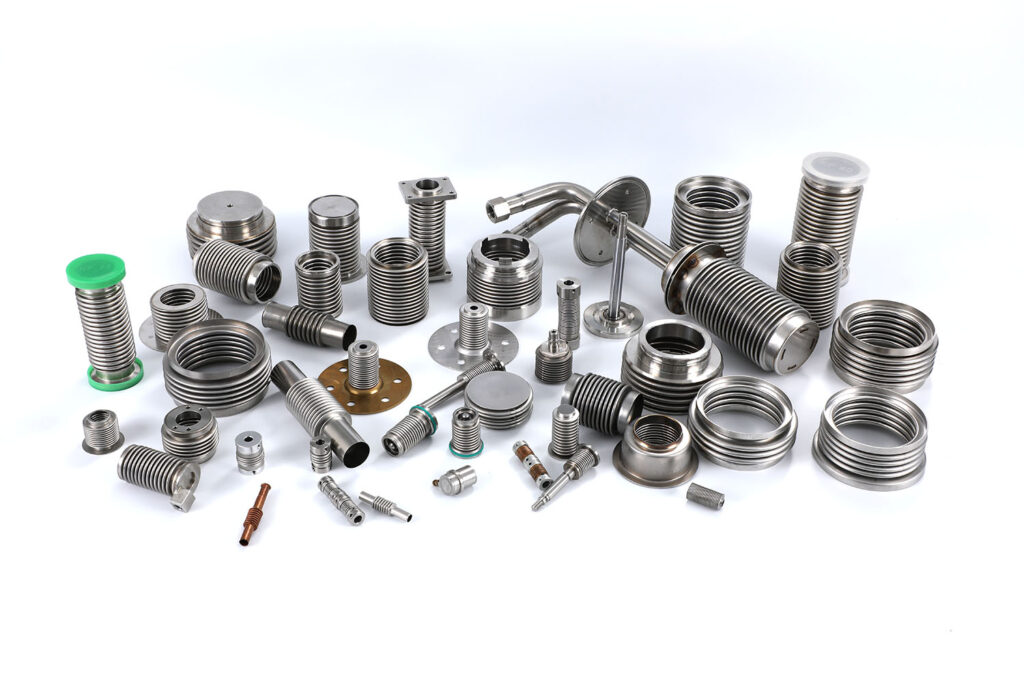
Customers specify custom configurations based on number of convolutions, outer diameter, length, end connections, and materials
Small batches, diverse product varieties, and rapid delivery (7–15 days) become key competitive advantages
4. Smart Manufacturing + Green Production
CNC hydraulic forming, laser welding, and online inspection
Material recycling, low energy consumption, and eco-friendly processes without acid washing
5. Regional and Competitive Landscape
China: Largest production capacity, high cost-effectiveness (30%+ export share)
Europe, the U.S., and Japan: Dominate high-end specialty, aerospace, and medical markets
Trend: Chinese companies are breaking into high-end precision and micro bellows
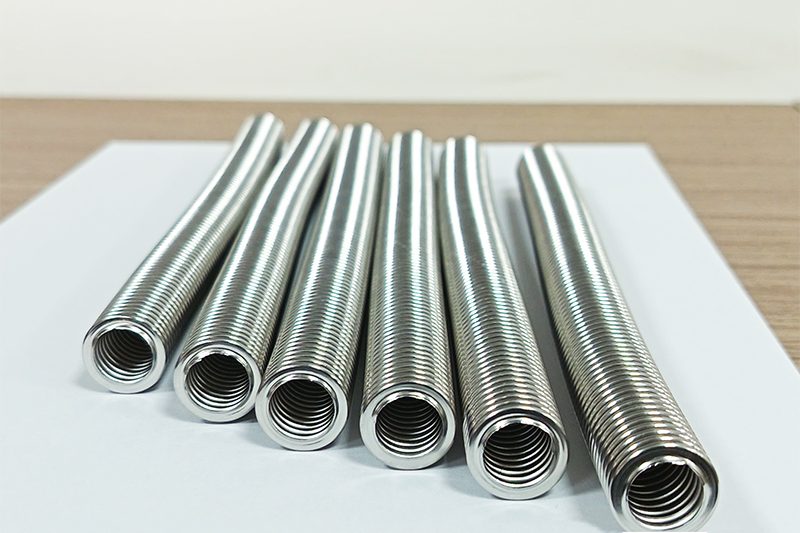
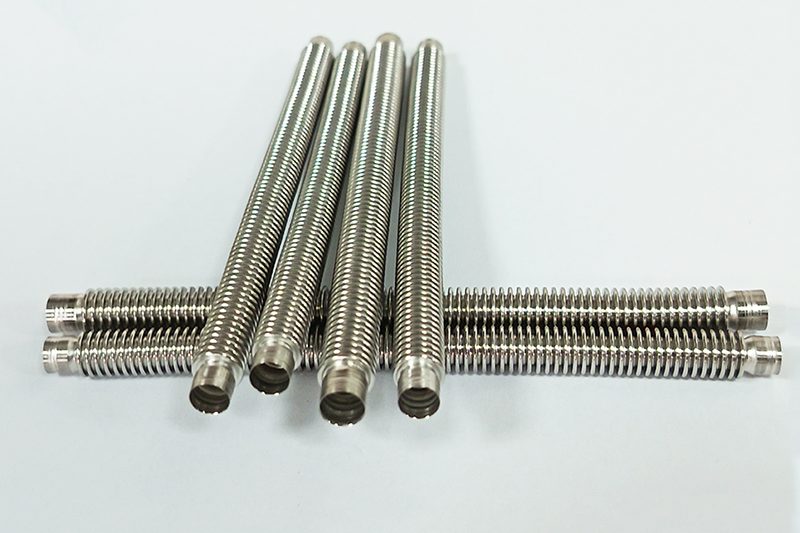
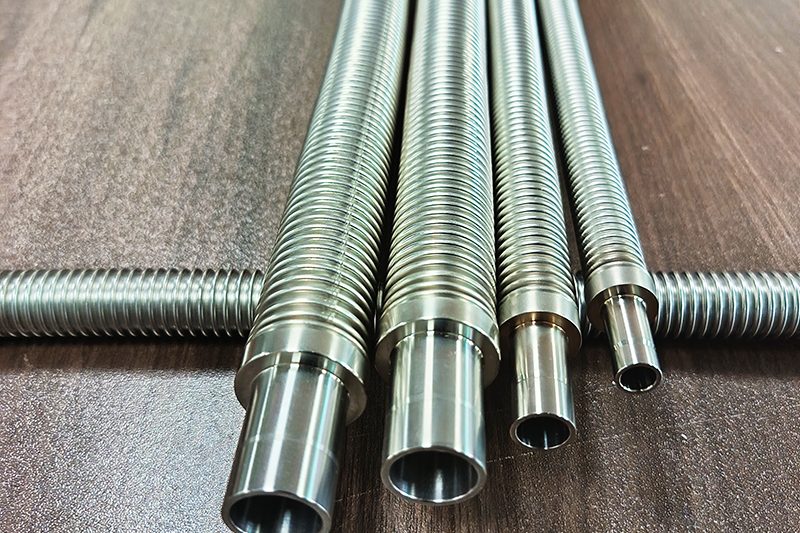
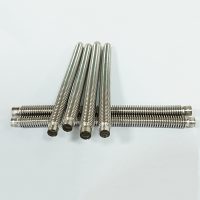
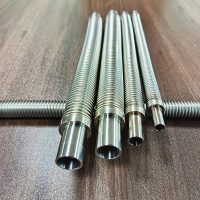
IV. Market Opportunities for the Product (10–12 Convolution Flex Bellow D11.5)
The small-diameter precision segment is the fastest-growing sub-segment (CAGR 8%–12%)
10–12 mm: Balances flexibility and stability, suitable for new energy, medical, and semiconductor applications
D11.5: Standard precision outer diameter, highly versatile with significant replacement potential
Exports: Stable demand from Europe, the U.S., Southeast Asia, Japan, and South Korea