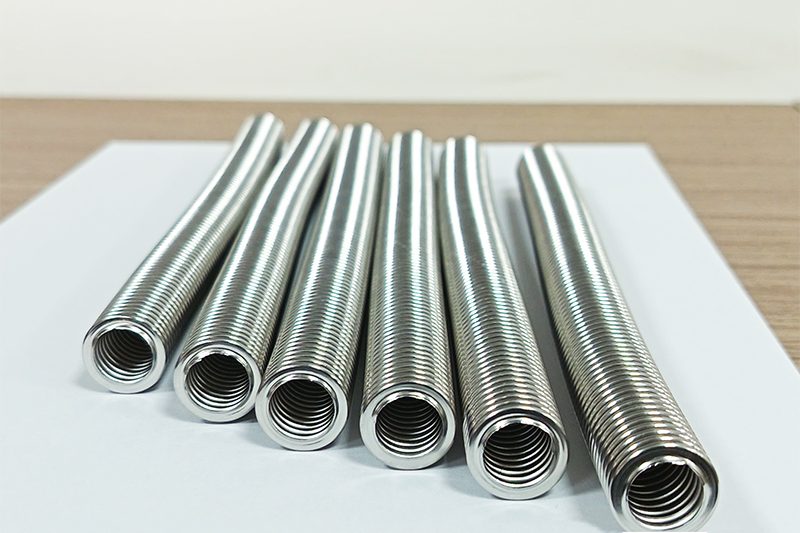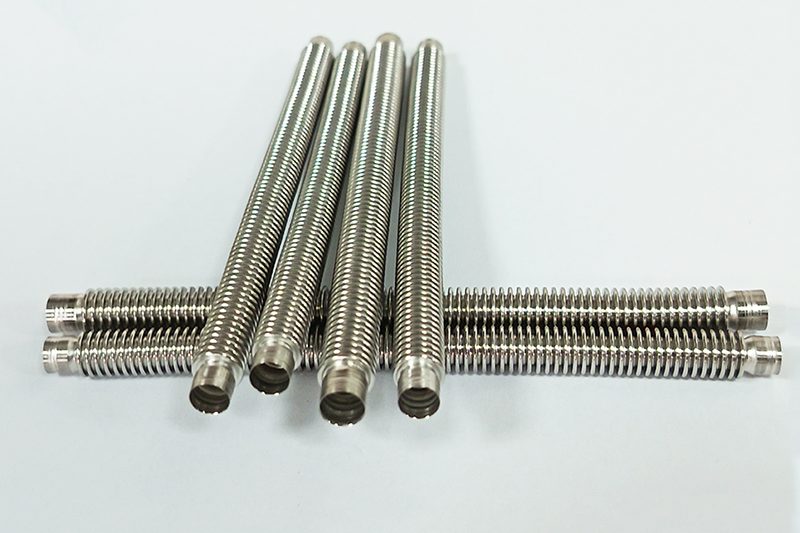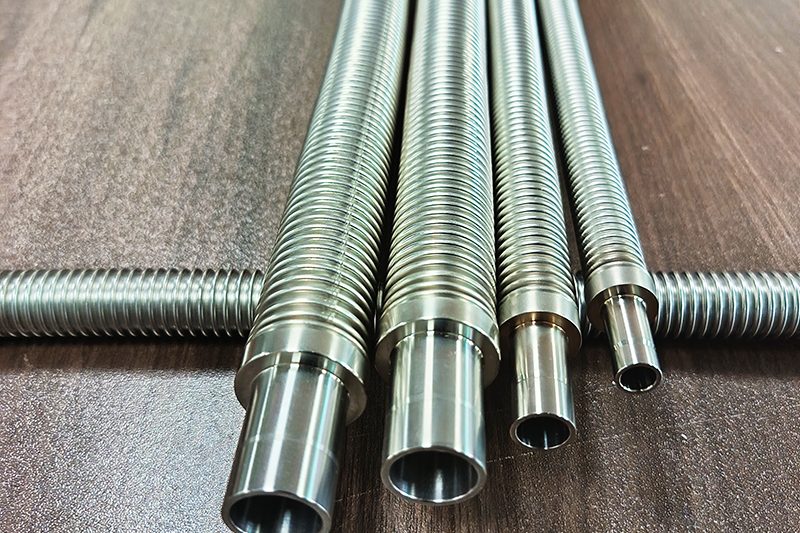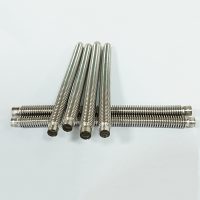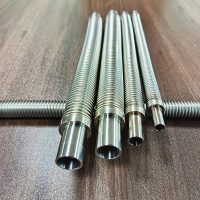
The core attribute of a bellows is flexibility, not rigidity; this is what distinguishes it from ordinary rigid pipe fittings and enables its core application value. Through its corrugated structural design, the bellows overcomes the limitations of rigid pipe fittings—which cannot be bent or extended—and possesses excellent flexibility. When paired with necessary rigid components, it ensures operational stability.
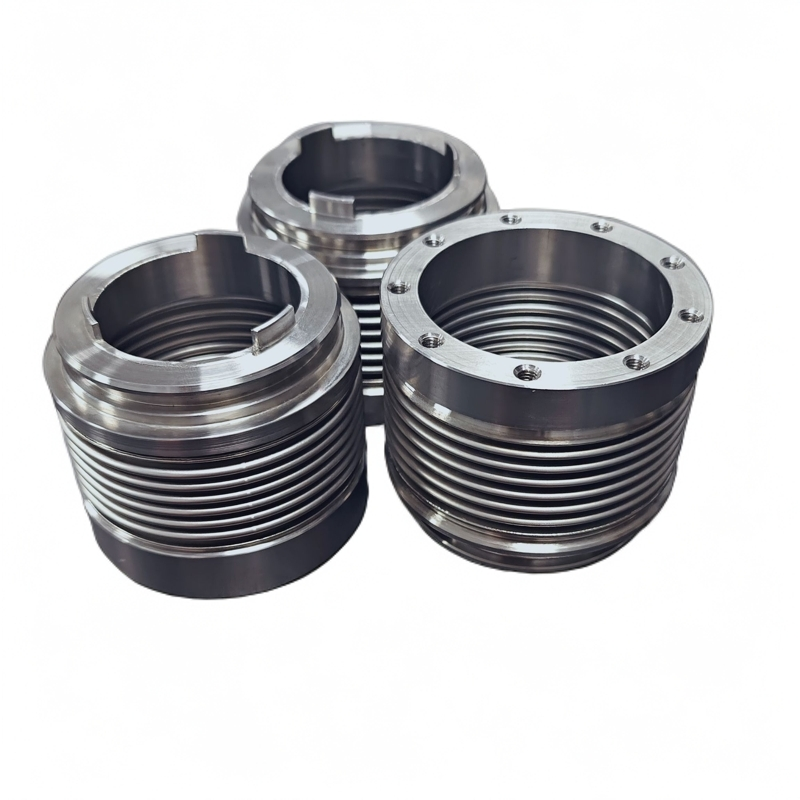
From a structural perspective, the corrugated design of the tube allows the main body to bend, expand axially, and shift angularly. This flexibility does not mean the tube is “prone to breaking”; rather, it refers to controlled deformation within the design parameters. It can cushion vibrations, absorb displacement, and prevent stress damage to the piping caused by thermal expansion and contraction, equipment vibration, or installation deviations. Whether metal or non-metal, the core of a bellows lies in its flexibility. For example, commonly used metal hydraulically formed bellows feature a corrugated structure that allows for bending within a certain angle and slight axial expansion, making them suitable for complex installation scenarios.
It is important to note that bellows are not entirely devoid of rigidity; their rigidity is primarily embodied in the accompanying components. In practical applications, bellows are often paired with rigid flanges, fittings, brackets, and other accessories to form a complete connection system. These rigid components handle fixation and load-bearing, while the bellows themselves perform the function of flexible compensation. The combination of the two ensures both connection stability and the requirement for deformation compensation.
In industrial applications, the flexibility of bellows is particularly advantageous. For example, in devices such as couplings, valve stems, server liquid cooling systems, and solar water heaters, their flexibility can dampen vibrations during operation, compensate for installation misalignments, and protect equipment and piping from damage. If bellows were rigid, they would be unable to perform these core functions and would lose their core value as flexible connectors.
In summary, the bellows itself is a flexible component with controllable deformation capabilities, while the accompanying rigid fittings serve only as auxiliary fasteners. Flexibility is the core characteristic of the assembly as a whole, which is the key reason for its widespread application in various industrial scenarios to achieve displacement compensation and vibration damping.