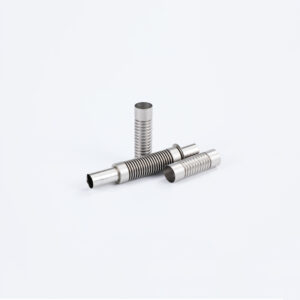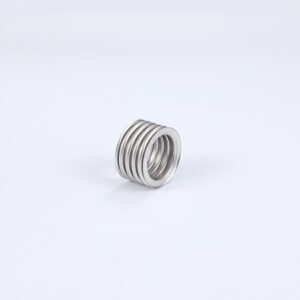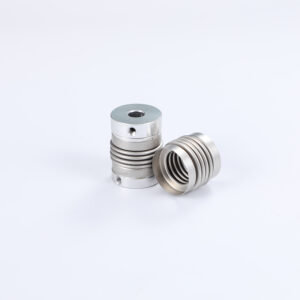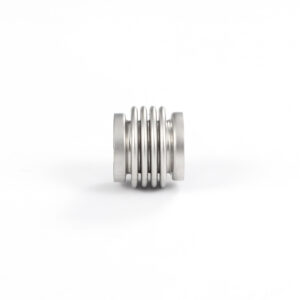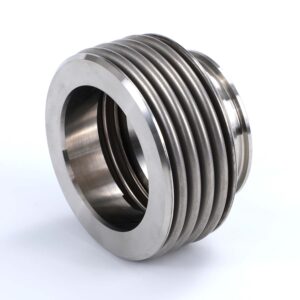
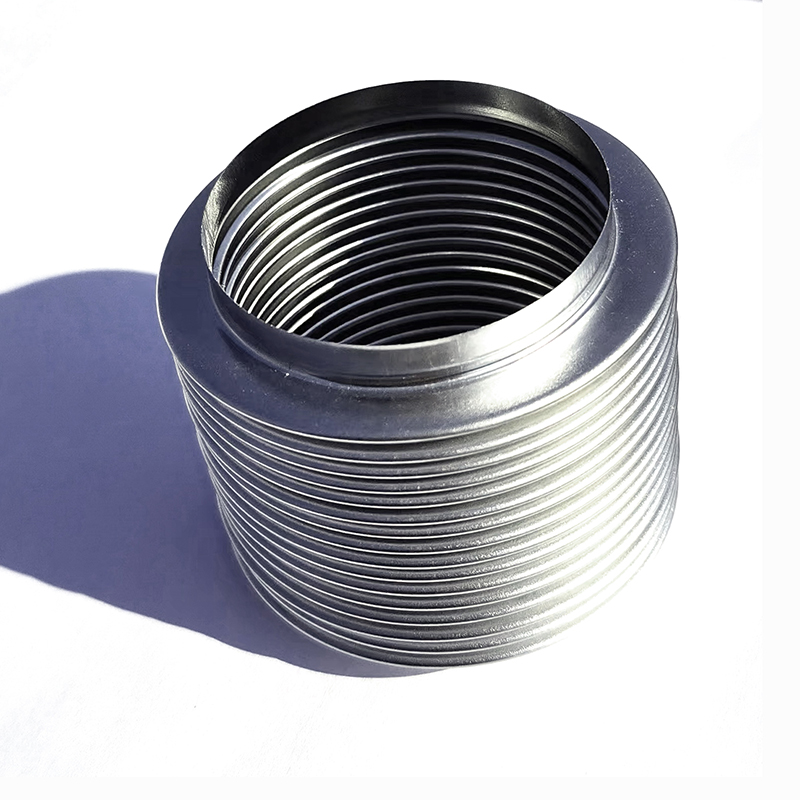
316SS Hospital Ventilator Bellows
Hospital Ventilator Bellows Within hospital ventilators, the bellows serves as far more than a mere connecting element. It functions as a core intelligent component integrating a power actuator, volumetric metering device, and safety isolation valve. Its medical-grade materials, military-grade reliability, and instrument-grade precision collectively ensure the accuracy and safety of every respiratory support cycle. As one of the most technologically advanced and rigorously tested components within life support equipment, it plays an indispensable role in safeguarding patient wellbeing.
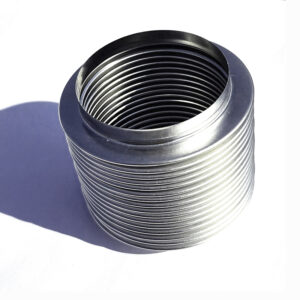
316ss hospital ventilator bellows
The Core Function and Characteristics of Bellows in Hospital Ventilators:
Within hospital ventilators, the bellows serve as a critical flexible actuator and sensing component situated at the heart of the device’s air pathway system. Its performance directly determines the precision, safety, and reliability of the ventilator’s gas delivery.
I. Core Function
As the ‘artificial lung’ or power transmission core:
In bellows-type/pneumatic ventilators, the bellows (commonly termed the ‘bellows’) directly emulates the expansion and contraction of human lungs. Through periodic compression and rebound, it generates positive pressure to propel gas into the patient’s lungs while creating negative pressure space for exhalation, serving as the direct power source for mechanical ventilation.
In electrically driven ventilators, it serves as a flexible coupler between the motor and the patient’s airway, precisely and leak-free converting the mechanical motion of pistons or linear motors into gas flow.
Enabling Precise Control and Monitoring of Tidal Volume:
The displacement and volumetric changes of the bellows exhibit high linearity and repeatability. The ventilator employs precision sensors (such as linear potentiometers or optical encoders) to monitor the bellows’ extension position in real time, thereby directly and accurately calculating the delivered or exhaled gas volume (tidal volume). This forms the foundation for implementing volume-controlled ventilation modes.
Establishing a secure, sealed gas pathway:
It creates a dynamic, absolutely sealed barrier between the ventilator’s internal air circuit and the external environment. This ensures all inhaled and exhaled gases flow exclusively through the pre-set, filtered, and thermo-humidified patient circuit, preventing gas leakage or contamination while maintaining preset positive end-expiratory pressure.
Compensating for pressure and volume variations:
As a flexible component, it buffers transient pressure fluctuations caused by patient coughing, changes in airway resistance, or manual operation. This protects sensitive flow sensors and valves while enhancing patient comfort.