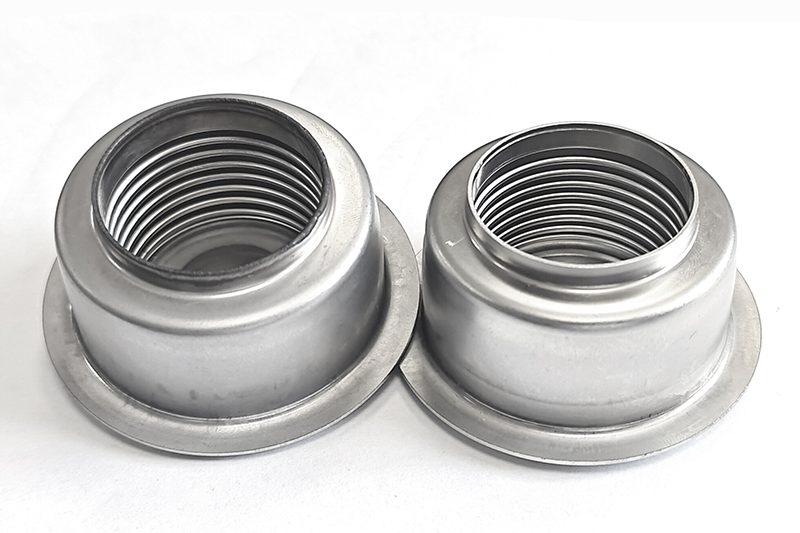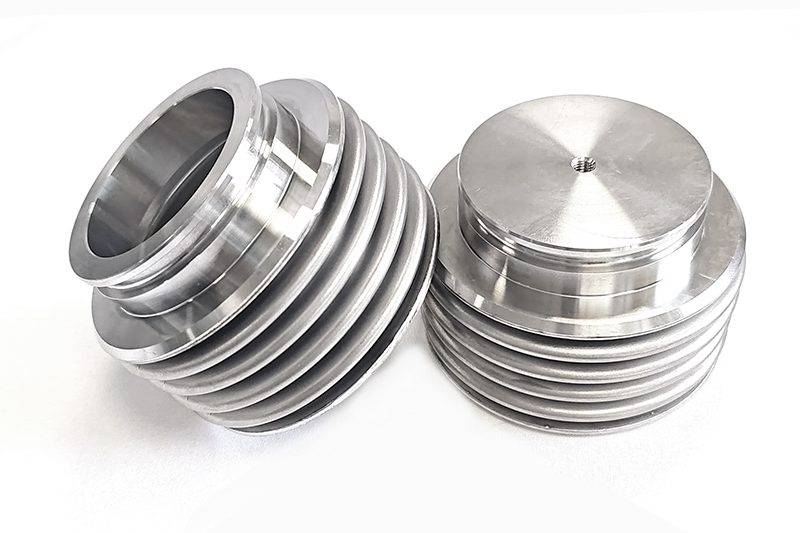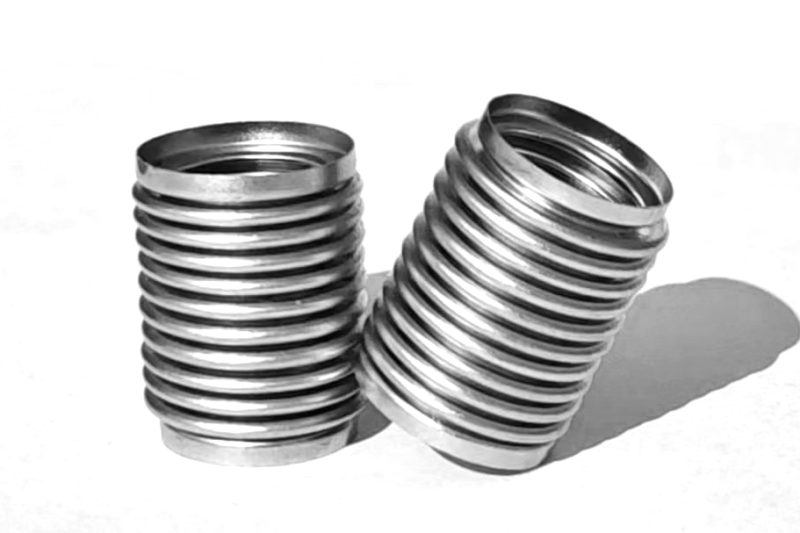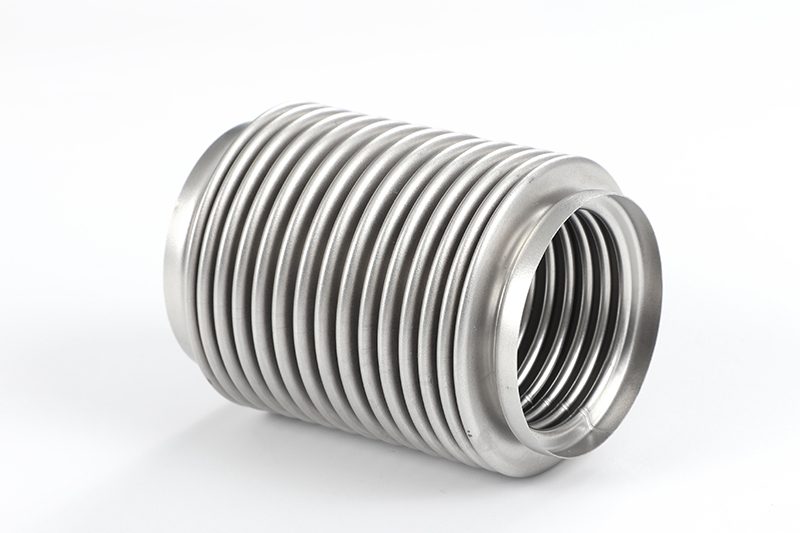
What should be considered when customizing bellows expansion joint assemblies?
When customizing bellows expansion joint assemblies, several factors need to be considered to ensure they meet the specific performance, durability, and operational requirements of your application. Here are the main points to keep in mind:
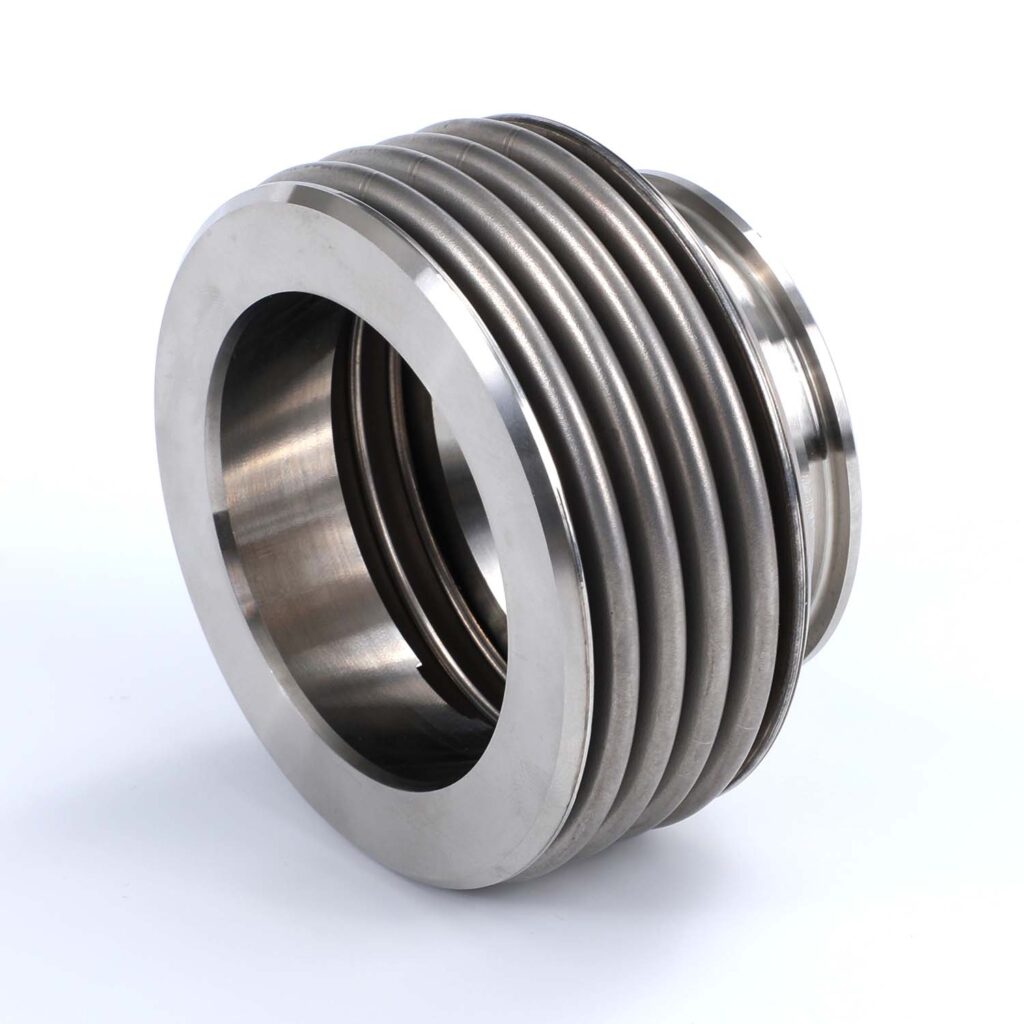
1. Movement Type and Range
-
- Axial Movement: Determine how much linear expansion or compression the bellows will need to handle.
-
- Angular Misalignment: Consider how much angular deflection the bellows must accommodate.
-
- Lateral Movement: If there is any side-to-side motion, ensure the bellows can absorb it.
-
- Torsional Movement: In some cases, twisting may be involved and should be factored in.
2. Pressure and Temperature
-
- Pressure Rating: Ensure the bellows can withstand the operating pressure (positive or negative). It should handle shock pressure and vacuum conditions.
-
- Temperature Range: The material must be able to withstand the maximum operating temperature, whether it’s high heat or cold.
3. Material Selection
-
- Metal Bellows: Typically used for high-temperature, high-pressure, or cyclic applications (e.g., stainless steel for corrosion resistance).
-
- Rubber or Elastomeric Bellows: Ideal for flexible seals in lower-pressure systems.
-
- Special Alloys: For extreme environments, such as high temperatures or chemical exposure (e.g., Inconel, Monel).
4. Design and Configuration
-
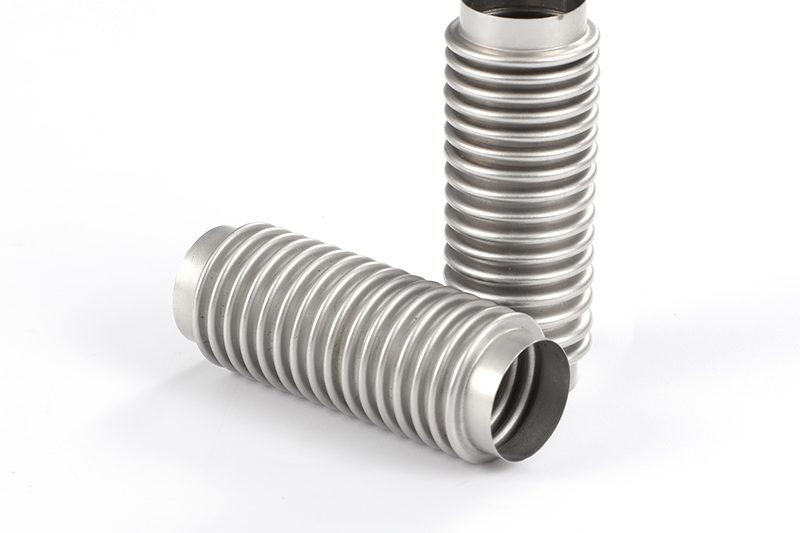
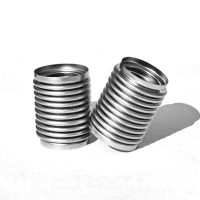
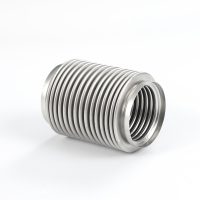
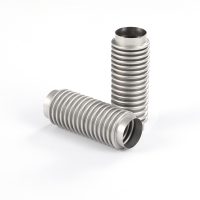
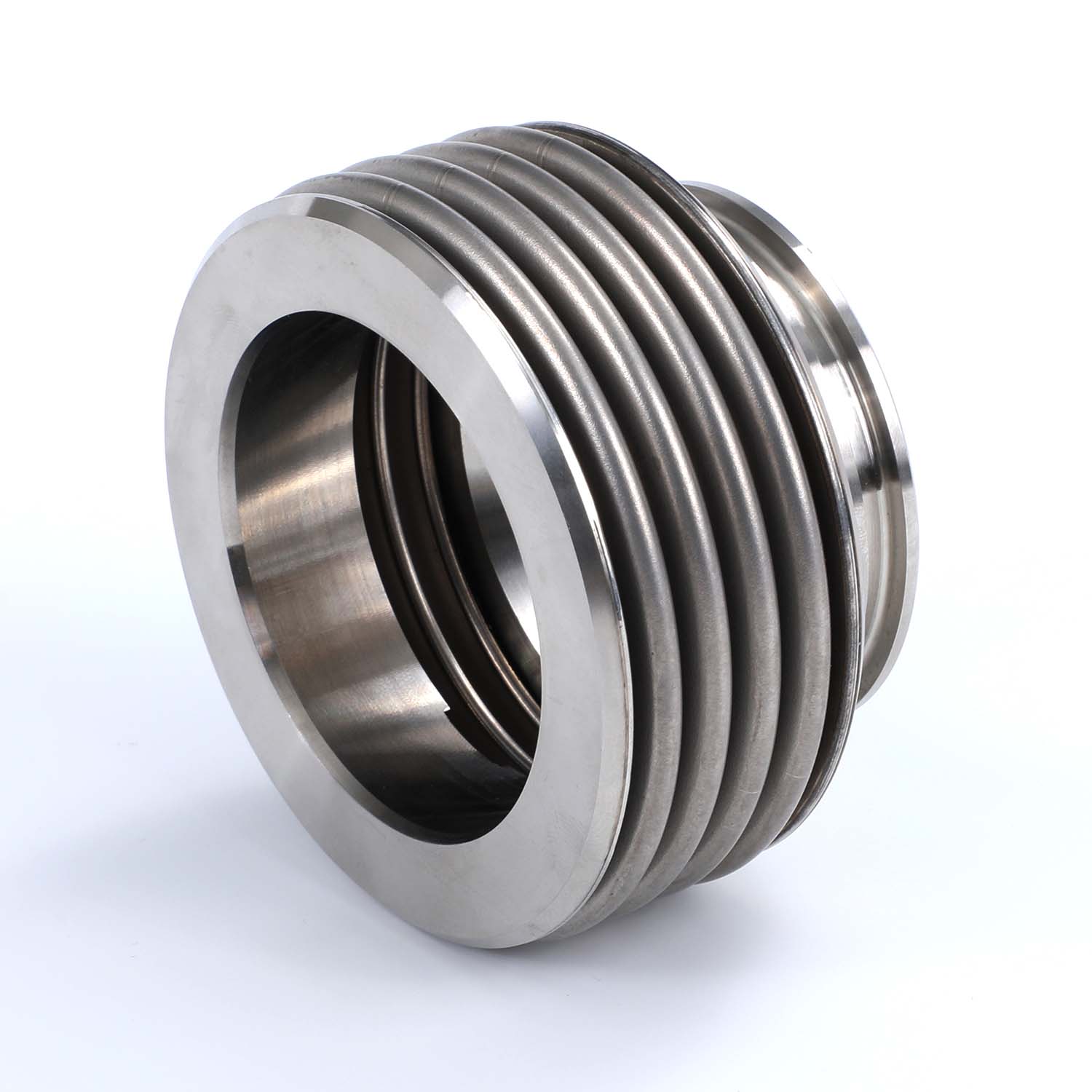
- Number of Convolutions: The more convolutions, the greater the flexibility and movement. However, too many convolutions may reduce pressure resistance.
-
- Convolution Shape: The shape of the convolutions (round, oval, or special configurations) impacts flexibility, strength, and movement range.
-
- End Fittings: Choose between flanged, clamped, or welded connections depending on the application’s requirements and the ease of installation.
5. Reinforcement and Durability
-
- Braiding or Reinforcement: For high-pressure or high-cycle applications, consider braided metal or Kevlar reinforcement to increase the strength of the bellows.
-
- Corrosion Resistance: Ensure the material or coating resists corrosion if exposed to aggressive fluids or environmental conditions.
6. Leak Prevention
-
- Sealing Mechanisms: For applications requiring leak-tight performance, consider internal seals (e.g., O-rings) and double bellows for redundancy.
-
- Ensure all connections and fittings are securely designed to prevent fluid or gas leakage.
7. Application-Specific Requirements
-
- Vibration Absorption: If the system experiences vibrations, ensure the bellows can absorb them effectively without compromising the seal.
-
- Thermal Expansion: For systems with varying temperatures (like exhaust systems), ensure the bellows can handle the expansion and contraction without failure.
8. Testing and Quality Assurance
-
- Leak Tests: Perform tests such as helium leak testing to verify the sealing ability.
-
- Burst and Fatigue Testing: Ensure the bellows can handle both pressure surges and cyclic fatigue over time.
9. Installation and Maintenance
-
- Correct Installation: Ensure that bellows are installed with proper alignment and support to avoid overextension or damage.
-
- Maintenance: Custom bellows should be designed for easy maintenance and inspection, especially for critical systems.