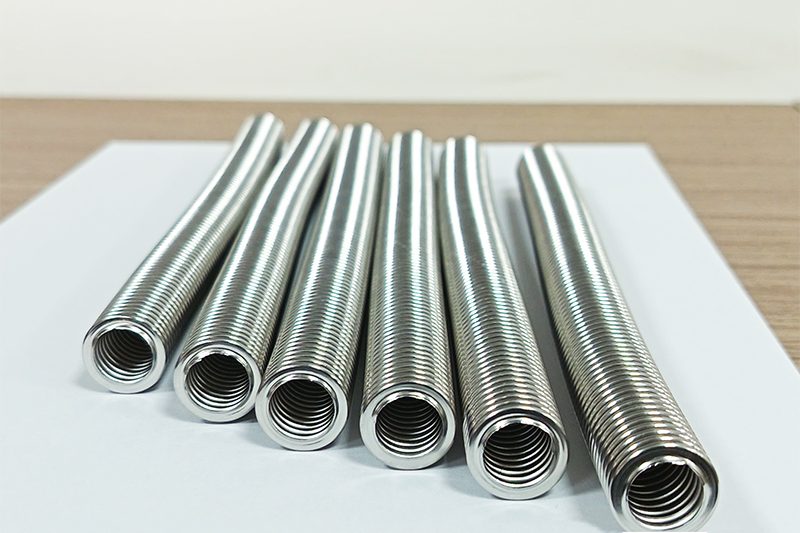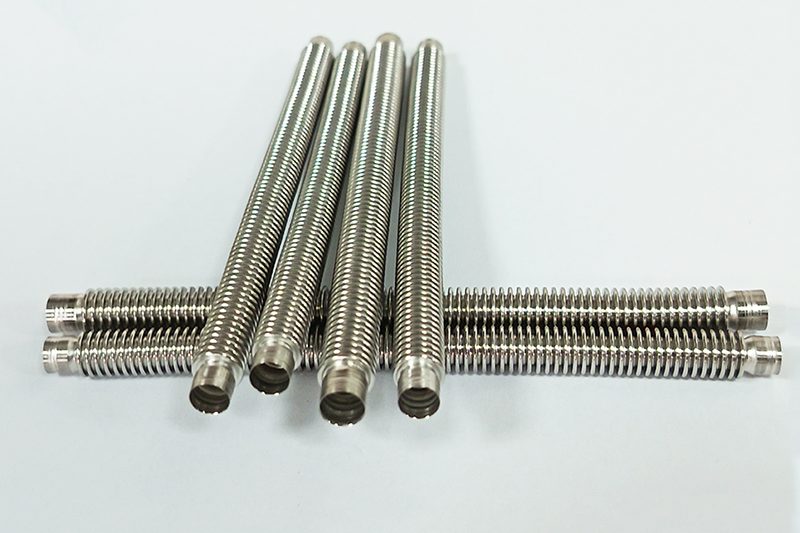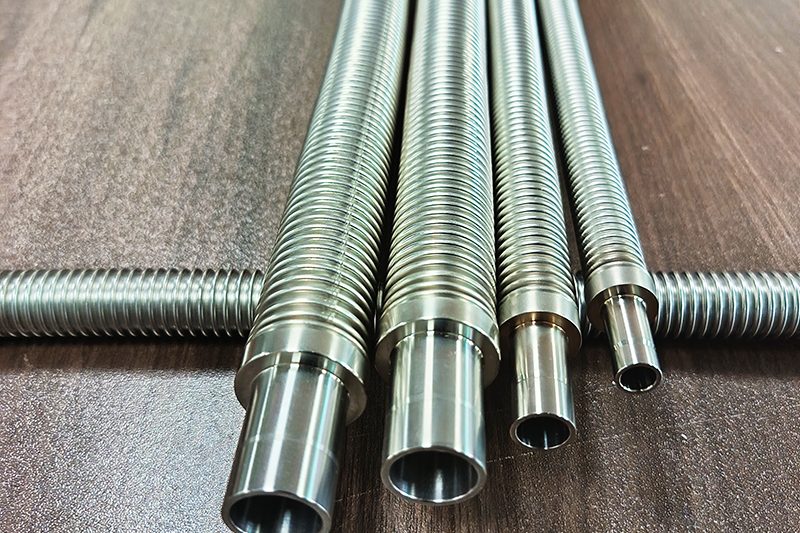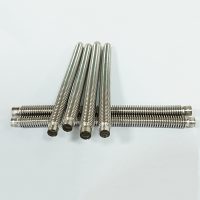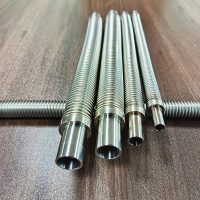
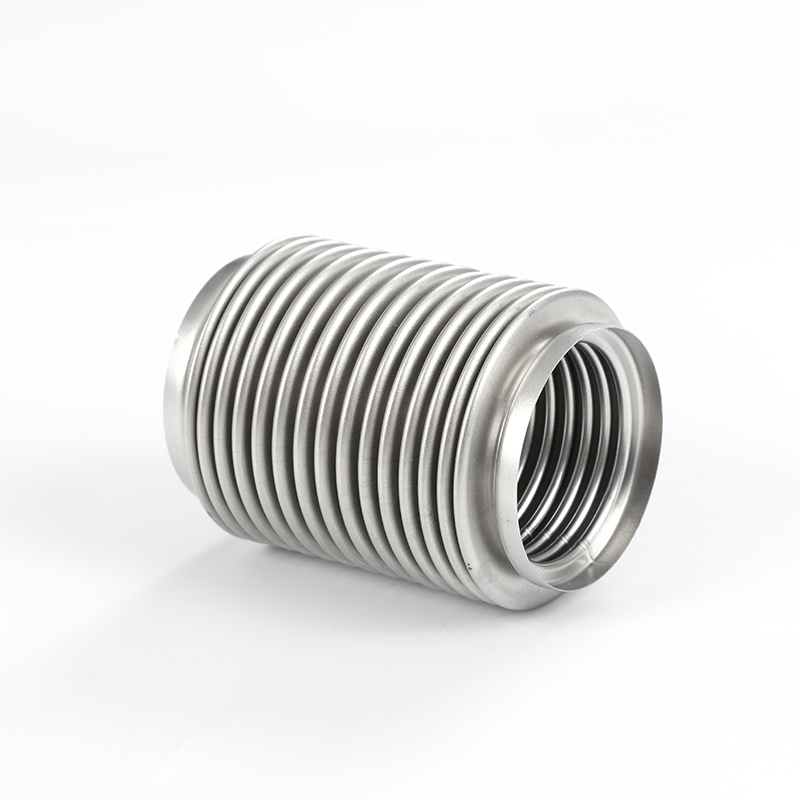
A flex bellows (or expansion joint) is a versatile and crucial component often used in piping systems, and its primary role is to absorb movement, vibration, and thermal expansion or contraction within pipes. Here’s a breakdown of what it does:
1. Absorbs Thermal Expansion and Contraction:
- As fluids (like steam, water, or oil) move through pipes, they can cause the temperature of the pipe to fluctuate. When pipes heat up, they expand; when they cool down, they contract.
- A flex bellows helps to absorb this expansion and contraction, preventing stress or damage to the pipe system. Without it, repeated expansion and contraction could cause leaks, cracks, or even pipe failure.
2. Accommodates Vibration:
- Pipes carrying fluids, especially liquids under pressure or gases, tend to vibrate due to flow dynamics, pumps, or other system activities.
- The bellows allow pipes to move slightly without transmitting vibrations to other parts of the system. This helps reduce the risk of damage to sensitive equipment connected to the pipes and minimizes wear and tear on the pipe itself.
3. Compensates for Misalignment:
- During installation or over time, pipes may shift slightly out of alignment due to ground movement, pressure changes, or other factors. The bellows can accommodate minor misalignments, preventing stress from building up and causing leaks or structural damage.
4. Dampens Pressure Surges (Water Hammer):
- Pressure surges, also known as “water hammer,” can occur when a valve suddenly closes, creating a shockwave that travels through the pipe. A flex bellows can help dampen this shockwave, protecting the integrity of the entire system.
5. Reduces System Stress:
- By allowing for controlled movement, flex bellows reduce the overall stress placed on the piping system. This contributes to a longer lifespan for the piping system and reduces maintenance costs.
Structure of a Flex Bellows:
- Typically, a flex bellows is made from metal (like stainless steel) or rubber, depending on the application and the temperature or chemical conditions.
- The design often includes corrugated or pleated sections that can expand and contract without breaking.
Key Applications:
- Industrial systems (e.g., power plants, oil refineries, chemical plants)
- HVAC systems
- Pumping systems
- Automotive exhaust systems
In short, a flex bellows is a multi-tasker because it handles several mechanical challenges—thermal expansion, vibration absorption, misalignment, and more—without requiring separate components for each issue. It’s crucial for maintaining system integrity and efficiency in a variety of piping setups.