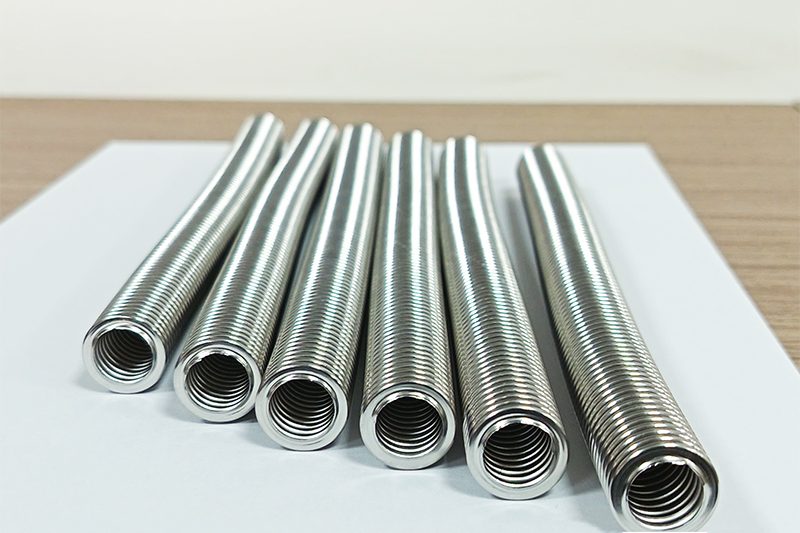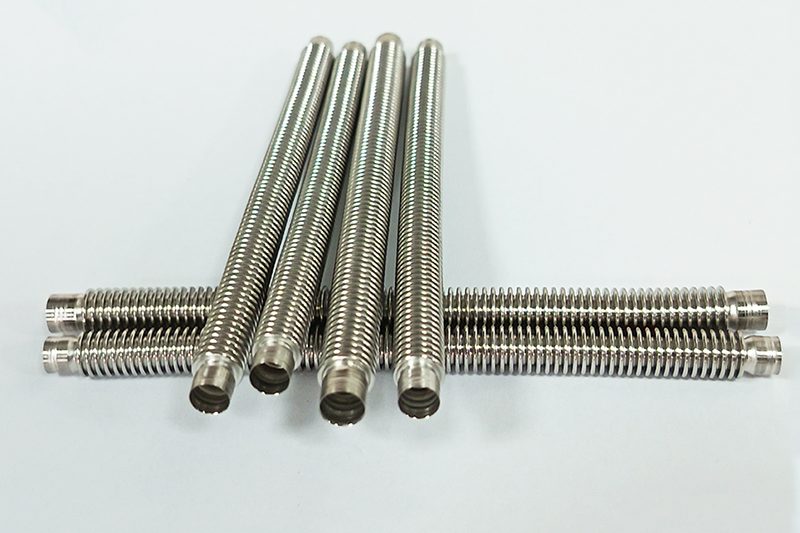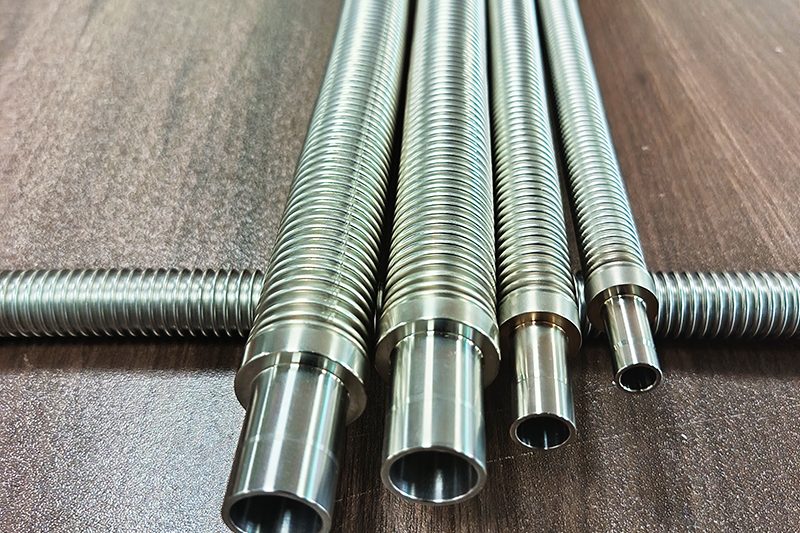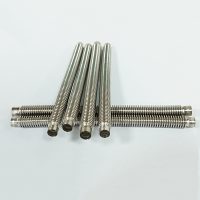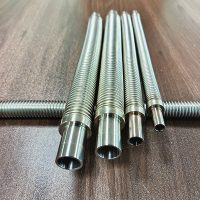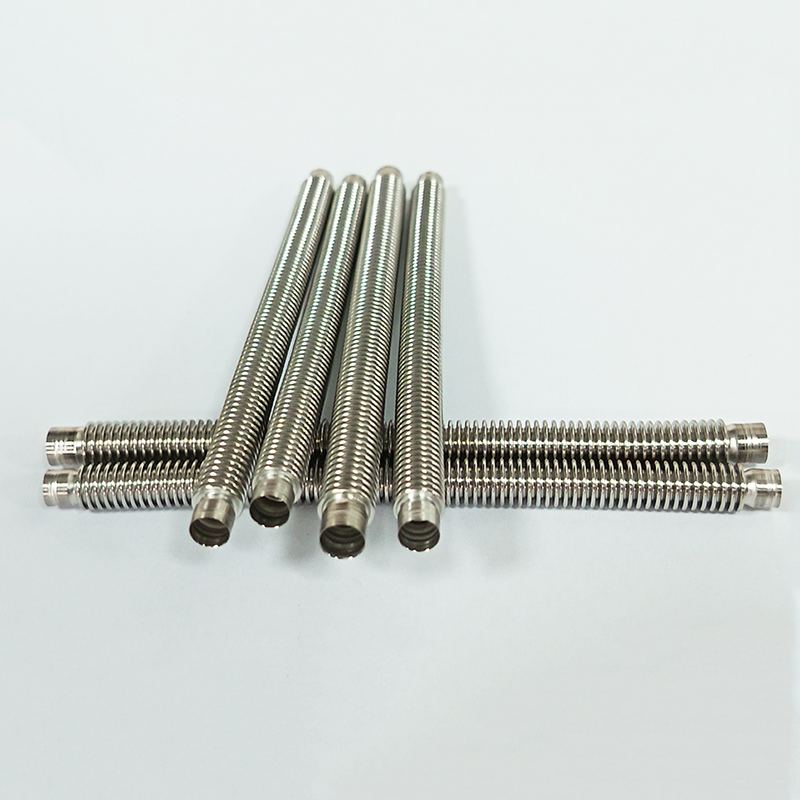
As AI computing power and high-density servers are widely deployed, full liquid cooling technology for data centers has achieved rapid popularization. Liquid cooling bellows serve as core flexible components in liquid cooling pipeline systems. They compensate for thermal expansion and contraction of pipelines, absorb mechanical vibration from equipment, and offset installation misalignment to guarantee stable operation of cooling loops. Different from ordinary industrial bellows, data center liquid cooling bellows run nonstop 24/7 under alternating cyclic pressure and temperature conditions. Fatigue failure, micro-leakage and cracking are major hidden dangers that trigger equipment shutdown. Therefore, understanding the fatigue life characteristics of liquid cooling bellows under cyclic pressure is critical to improve the stability of liquid cooling systems and cut operation and maintenance costs.
Why Cyclic Pressure Triggers Failure of Liquid Cooling Bellows
Liquid cooling systems do not operate at constant pressure. Fluctuating server loads, pump pulsation and heat exchange with alternating cold and heat continuously generate high-frequency cyclic pressure impacts inside pipelines. Relying on the flexible deformation of corrugated structures to accommodate pipeline displacement, liquid cooling bellows accumulate periodic stress at the peaks and troughs of corrugations with every pressure rise, drop and telescopic deformation.
Long-term repeated fatigue loads create tiny cracks on the inner metal wall. Continuous crack expansion will eventually cause bellows leakage and cracking. Compared with traditional pipeline fittings, liquid cooling bellows feature thinner walls and higher precision requirements, making them more vulnerable to cyclic pressure. They are relatively failure-prone parts in liquid cooling systems and directly affect the operational safety of servers and computing hardware.
Four Core Factors Affecting Fatigue Life of Liquid Cooling Bellows
Based on measured industrial data and practical project experience, factors dominating bellows fatigue life fall into four categories: material property, manufacturing structure, installation quality and working condition. These are also key priorities for product selection and optimization in the industry.
- Material performance determines basic fatigue resistance. 316L stainless steel is the mainstream material for liquid cooling bellows. It delivers outstanding corrosion resistance and thermal stability, compatible with cooling media including deionized water, ethylene glycol and fluorinated liquid. It resists embrittlement and cracking under temperature cycling. Ordinary stainless steel contains more impurities and poor toughness, and suffers fatigue damage easily under high-frequency cyclic pressure, failing to meet the 10+ year long-term operation requirements of data centers. High-end customized bellows adopt optimized material composition to further boost resistance to millions of pulse cycles.
- Structural technology governs stress distribution. Traditionally stamped bellows have uneven wall thickness and severe stress concentration, leading to short fatigue life. Bellows manufactured by hydroforming with multi-layer corrugated structures feature uniform wall thickness and balanced force distribution, effectively dispersing tensile and compressive stress caused by cyclic pressure. Precision laser seamless welding eliminates residual welding stress, preventing weld seams from becoming weak fatigue points and greatly extending overall service life.
- Installation misalignment accelerates fatigue loss. Forced stretching, compression and offset assembly are common on-site mistakes. Pipeline eccentricity and angular deviation subject bellows to extra lateral stress. Combined with original cyclic pressure loads, this drastically shortens service life and triggers premature aging and leakage. Stress-free standardized installation is the foundation to achieve the designed fatigue life of bellows.
- Operating environment worsens aging and failure. High-pressure pulses, frequent temperature swings and corrosion from coolant accelerate microcrack propagation. AI data centers running under heavy loads have higher frequency pressure fluctuations, imposing stricter requirements on anti-fatigue performance of liquid cooling bellows than conventional cooling systems.
Optimization Solutions to Improve Liquid Cooling Bellows Fatigue Life
Targeting fatigue pain points under cyclic pressure, the industry carries out multi-dimensional optimization covering design, production, installation and testing to enhance the operational stability of bellows.
In product design, engineers optimize corrugation parameters and multi-layer composite structures to properly limit deformation per corrugation and avoid local stress overload, making deformation more uniform in each pressure cycle and raising pulse cycle tolerance. In production, hydroforming and laser seamless welding are adopted to eliminate weld defects and wall thickness deviation. Products pass millions of pressure pulse fatigue tests to adapt to 24-hour continuous operation scenarios.
For engineering application, standard installation procedures must be followed to avoid forced deformation and eccentric mounting. Users should select bellows with proper pressure rating and length specifications according to pipeline working conditions and reserve reasonable deformation allowance. Regular inspection mechanisms need to be established to identify risks like micro-leakage and deformation aging, replace aging components in advance and prevent unexpected shutdowns.
Industry Trend: High Anti-Fatigue Liquid Cooling Bellows Become Essential
With the popularization of high-density computing power, full immersion liquid cooling and rack-level liquid cooling, liquid cooling systems face harsher pressure and temperature conditions. Liquid cooling bellows with high anti-fatigue performance, zero leakage and long service life have become essential industry components. In the future, customized structures, high-grade alloy materials and bellows supporting intelligent fatigue monitoring will gradually replace ordinary industrial bellows and become standard core fittings for data center liquid cooling systems.
-
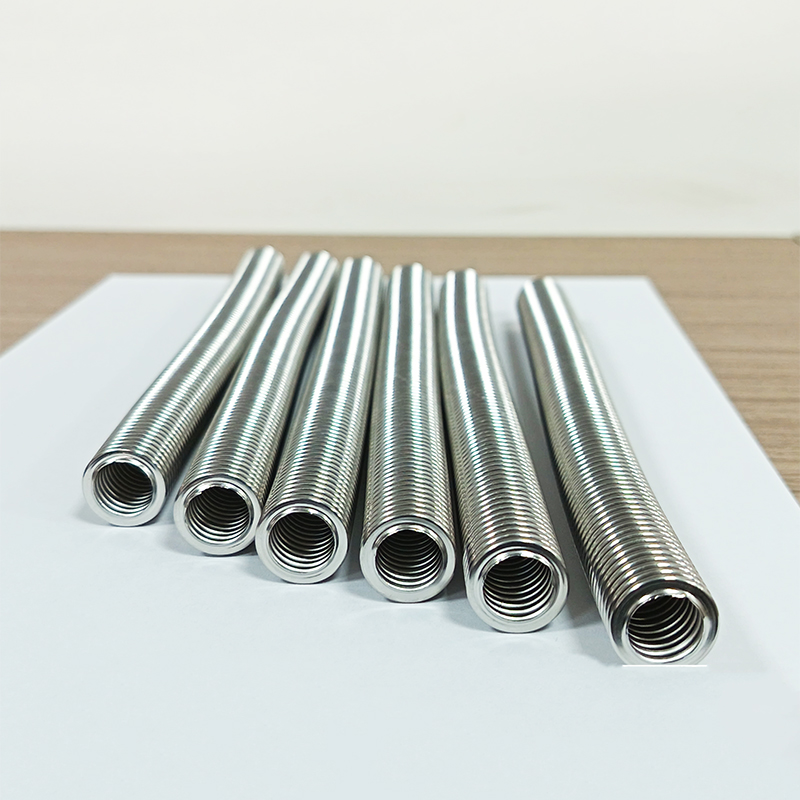
What Is a Liquid Cooling Bellows — and Why Does Every CDU Need One?
-
Why Are Metal Bellows the Unsung Heroes of AI Liquid Cooling?
-
Fatigue Life Considerations for Liquid Cooling Bellows Under Cyclic Pressure
-
How Liquid Cooling Bellows Improve Reliability in High Power Server Loops