Expansion joint
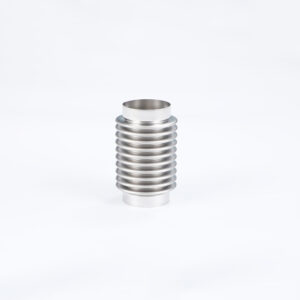
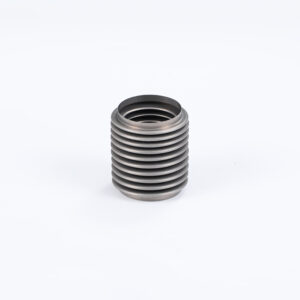
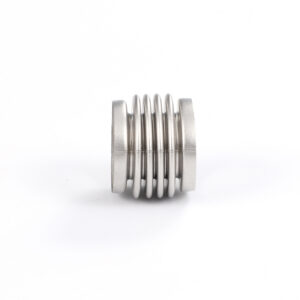
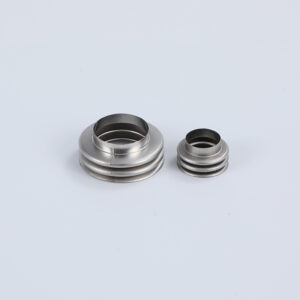
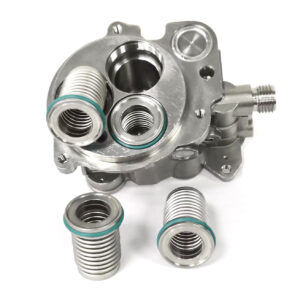
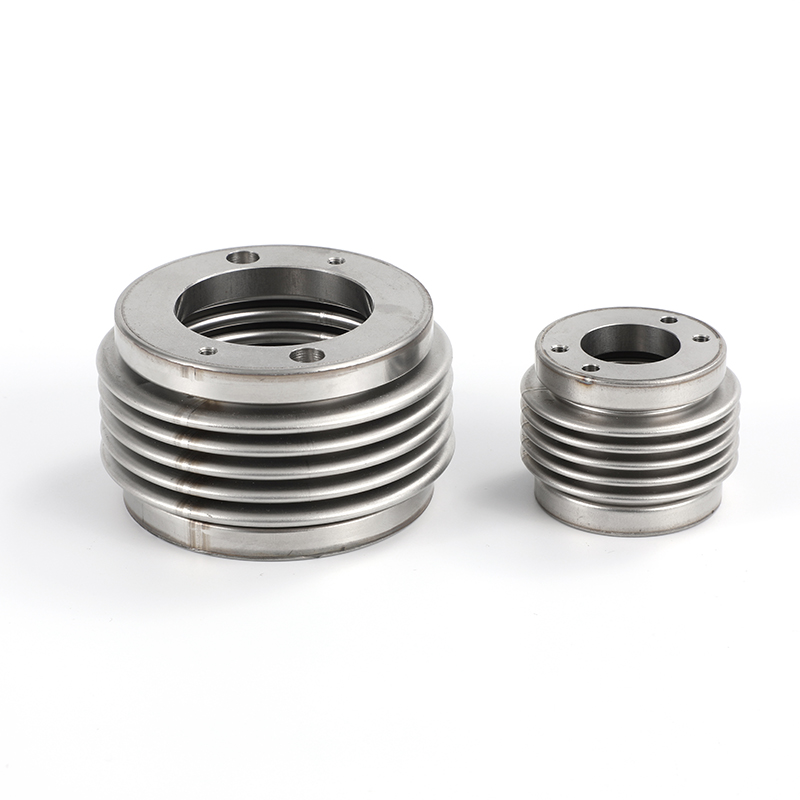
Expansion joints, also known as compensators, are flexible components designed to absorb displacement caused by thermal expansion and contraction, vibration, and installation deviations in pipelines and equipment, thereby safeguarding system safety. With their exceptional flexible compensation, sealing isolation, and shock absorption capabilities, they are widely used in various industrial piping and equipment systems, serving as indispensable core components in modern industry. Below is a detailed overview of its core features and primary application areas, helping you quickly understand the product’s value and suitable scenarios.
Core Features
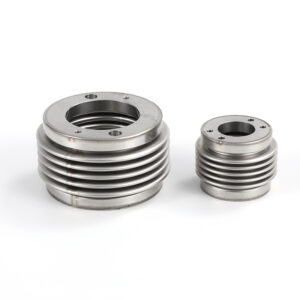
expansion joint
Expansion Joint – Features and Applications
– Precise displacement compensation for system safety: Effectively absorbs axial, lateral, angular, and combined pipeline displacements with precise, controllable compensation (axial compensation up to 500mm+, lateral compensation up to 200mm). Mitigates stress accumulation caused by thermal expansion/contraction and equipment vibration, preventing fractures or leaks in pipes, flanges, valves, and other components due to excessive stress. Extends the service life of the entire system.
– Superior Sealing Performance, Eliminating Media Leakage: Features an integrated sealing structure combined with precision welding techniques (laser welding, TIG welding). The welds are smooth and robust with minimal heat-affected zones, achieving high sealing standards with a leakage rate as low as ≤1×10⁻¹⁰ Pa·m³/s. Compatible with various media including gases, liquids, and steam, it eliminates safety hazards and resource waste caused by leakage, meeting industrial safety compliance requirements.
– Vibration damping and noise reduction for stable, reliable operation: The flexible structure effectively buffers vibrations generated during equipment operation while minimizing vibration transmission through pipelines. This reduces system operating noise and prevents vibration-induced wear on pipe interfaces and equipment bodies. Particularly suitable for high-frequency vibration equipment like pumps and compressors, it enhances overall system stability and safety.
– Diverse materials for versatile applications: Customizable materials including carbon steel, stainless steel, Hastelloy, Inconel, and titanium alloys meet diverse operational demands. Special surface treatments provide exceptional resistance to extreme temperatures (-269°C to +1200°C), low temperatures, corrosion, wear, and radiation. Suitable for harsh industrial environments featuring extreme temperatures, high corrosion, high pressure, and dust.
– Compact Design for Easy Installation and Maintenance: Compact and space-saving design eliminates complex mounting brackets. Directly interfaces with various piping systems, accommodating tight installation spaces to significantly reduce installation complexity and construction costs. Modular structure facilitates future inspection, maintenance, and replacement without dismantling the entire piping system, minimizing downtime and enhancing operational efficiency.
– Flexible customization with outstanding cost-effectiveness: Tailored to specific pipeline dimensions (DN15-DN12000), pressure ratings (PN0.1-PN42.0), and operating conditions, offering various configurations (corrugated, sleeve, universal) and compensation capacities. Eliminates the need for full pipeline retrofits, accommodating both existing equipment upgrades and new construction projects. Balances performance and economy, delivering superior long-term cost advantages.
– Pressure Resistance & Fatigue Durability: Constructed from high-strength materials using integrated molding technology, the body delivers exceptional compression and tensile strength, withstanding prolonged operation under high-pressure conditions. Fatigue testing confirms a dynamic cycle life exceeding 1 million cycles, ensuring reliability for continuous, stable industrial operation while reducing replacement frequency and maintenance costs.
Applications
– Petrochemical and Coal Chemical Industries: Widely used in refineries, chemical plants, and coal chemical facilities for pipelines transporting crude oil, refined oil products, acidic/alkaline media, gas, steam, etc. Absorbs thermal expansion/contraction displacement and equipment vibration, protecting core equipment such as reactors, heat exchangers, and valves. Complies with industry standards including API and ASME.
– Power Generation: Suitable for boiler flues, steam lines, feedwater pipelines, and desulfurization/denitrification systems in thermal, hydroelectric, nuclear, and renewable power plants (including photovoltaic and wind energy facilities). Absorbs thermal displacement from high-temperature steam, buffers vibrations from turbines and pumps, ensures safe and stable plant operation, and withstands high-temperature, high-pressure conditions.
– Metallurgical Industry: Used in blast furnace gas pipelines, hot blast stove pipelines, cooling water pipelines, and slag transport pipelines for steel mills and non-ferrous metal smelters. Suitable for high-temperature, dusty, and corrosive environments, it absorbs thermal expansion/contraction and equipment vibration, protecting core facilities like smelting furnaces and rolling mills while extending pipeline service life.
– Municipal Engineering: Deployed in urban district heating/cooling pipelines, water supply lines, sewage treatment conduits, and gas transmission systems. Absorbs thermal displacement caused by ambient temperature fluctuations, alleviates pipeline stress from ground subsidence, prevents rupture and leakage, ensures stable operation of municipal infrastructure, and adapts to diverse installation scenarios including underground and above-ground environments.
– Aerospace and Defense: Used in aircraft engine piping, rocket propulsion systems, and military equipment hydraulic lines. Designed for extreme high/low temperatures, high pressure, vibration, and radiation environments, it achieves precise displacement compensation and sealing. Ensures reliable operation of aerospace equipment and military hardware, meeting high-end custom standards for precision and stability.
– Pharmaceutical and Food Industries: Suited for sterile transfer pipelines, reactor piping, and steam sterilization lines in pharmaceutical and food processing plants. Custom-made with food-grade and pharmaceutical-grade stainless steel, featuring dead-zone-free designs and easy cleaning. Complies with FDA regulations to eliminate media contamination, ensuring safety and hygiene in pharmaceutical and food production.
– Cryogenic and New Energy Sector: Used in storage and transport pipelines for cryogenic media like LNG (liquefied natural gas), liquid nitrogen, and liquid oxygen, withstanding deep-cold environments from -162°C to -269°C for leak-free compensation. Suitable for hydrogen fuel cell and energy storage equipment pipelines carrying hydrogen and electrolytes, featuring hydrogen embrittlement resistance and corrosion resistance to ensure safe operation of new energy equipment.
– General Machinery and Equipment Applications: Serves as a component for general machinery such as pumps, compressors, fans, heat exchangers, and centrifuges. Absorbs operational vibrations and pipeline displacements, protecting seals and bearings while extending equipment lifespan. Widely used across mining, marine, papermaking, textile, and other general industrial applications.